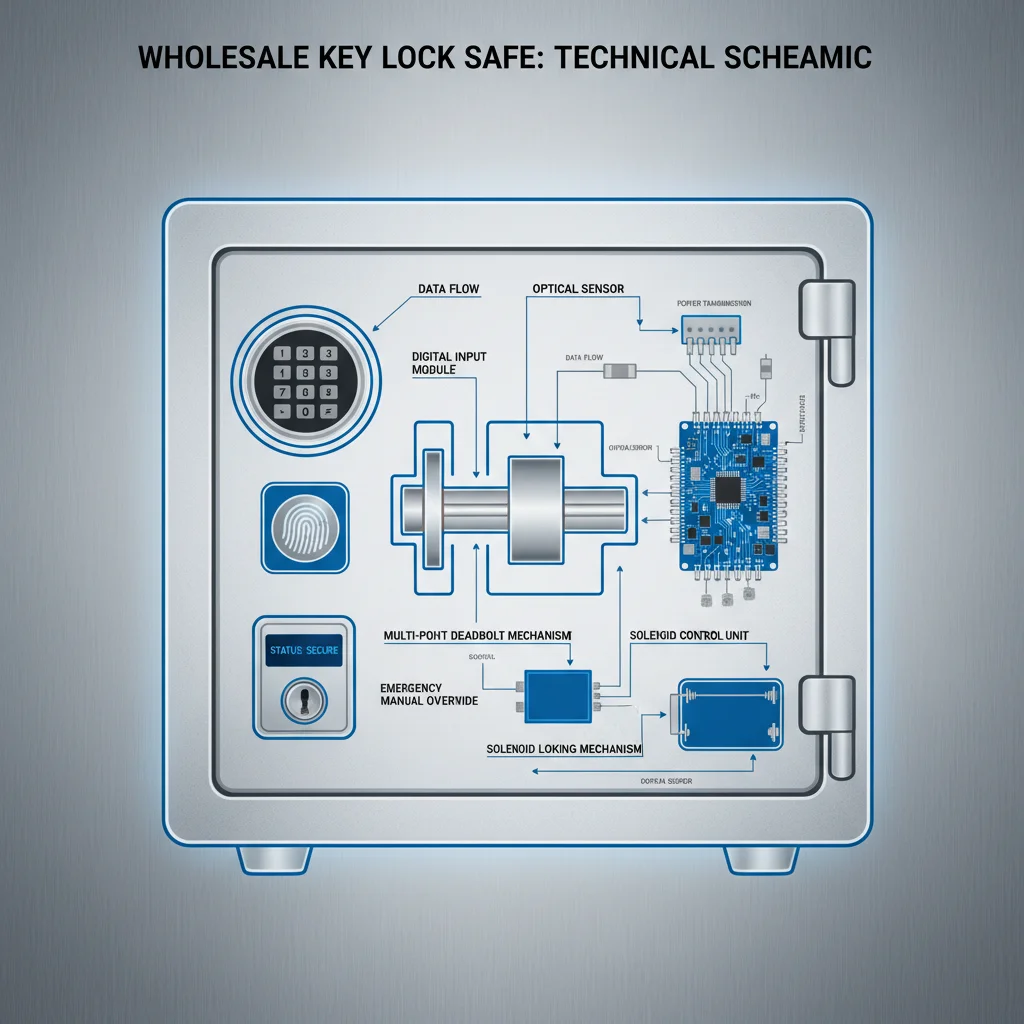
To be honest, the whole industry’s been buzzing about these high-security wholesale lock safes. Not the flashy smart ones, but the solid, reliable kind. Seems like everyone’s realizing that a digital lock is only as good as the power supply, you know? And honestly, after spending the last ten years crawling around construction sites, I've seen enough power outages to trust a good old mechanical lock. It’s a bit of a swing back to basics, but a welcome one.
What’s really interesting is how people are trying to upgrade the basics. You see a lot of designers thinking they can just slap a fancy finish on a standard safe, but that’s where things get tricky. Have you noticed how a slightly off-center weld can throw the whole locking mechanism off? It's tiny, but crucial. I encountered that at the Changzhou factory last time, a whole batch of safes held up because of a millimeter discrepancy.
And don’t even get me started on the steel. It’s not just about the gauge, it’s about the alloy. We're using a lot of high-carbon manganese steel right now. Smells…metallic, naturally, but it has this nice heft to it. It’s not too brittle, which is key. You can tell a good steel by how it rings when you tap it. A dull thud is bad news, trust me. Anyway, I think the material choice is the most important thing.
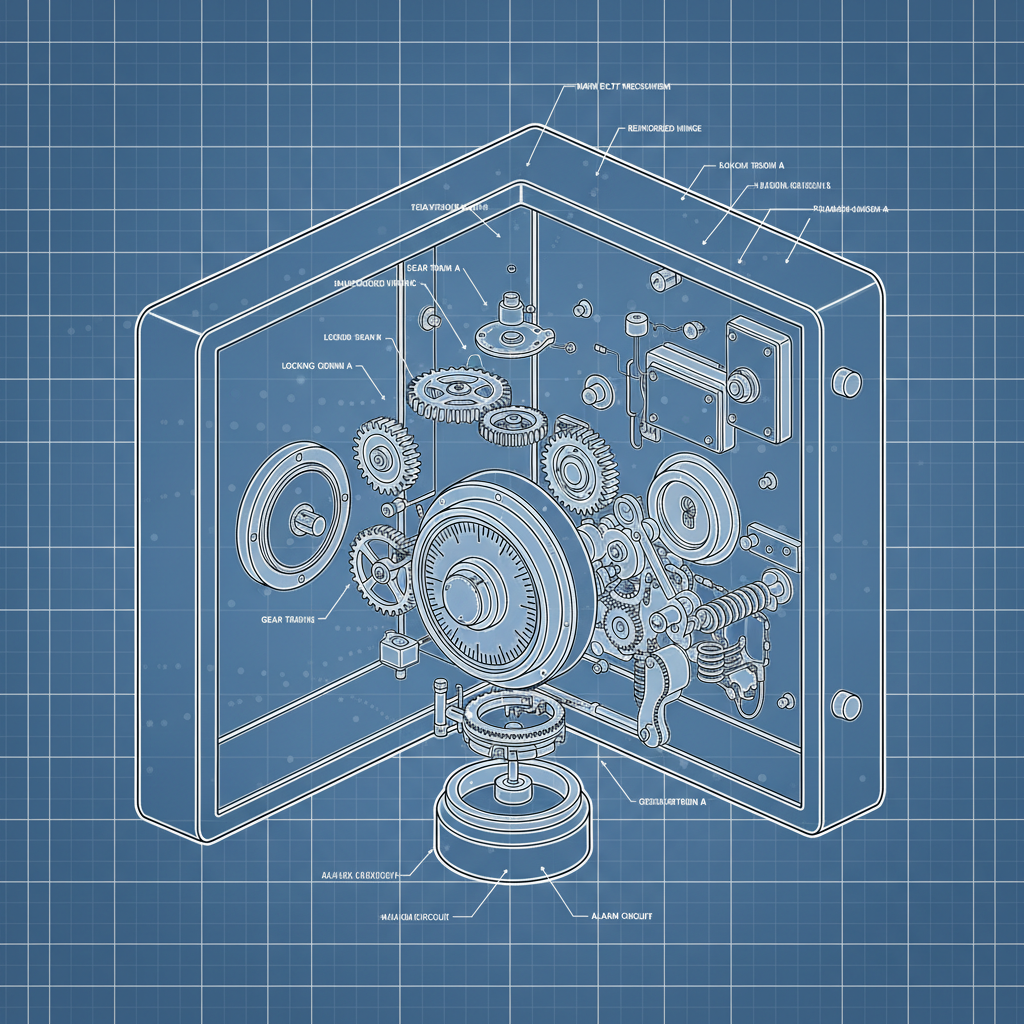
The Rising Demand for Robust Wholesale Lock Safes
Strangely enough, the demand isn't just coming from banks or jewelry stores anymore. It's small businesses, home offices, even individuals looking for more secure storage. People are realizing that a fireproof, burglar-resistant safe is a good investment. Especially with all the delivery thefts happening these days, you know? It’s a simple concept, really – protect your valuables.
What’s pushing this? Well, the increase in home-based businesses, the growing awareness of security risks, and, honestly, a general distrust of… everything. People want to feel safe, and a solid safe provides a tangible sense of security. It's a psychological thing, too.
Design Pitfalls and Common Mistakes
I’ve seen too many designs where they overcomplicate the locking mechanism. Fancy dials, multiple combinations… It just adds more points of failure. Keep it simple, keep it robust. That’s my motto. A good, solid bolt and a well-designed keyway are far more effective than a bunch of gimmicks. And the hinges! Oh, the hinges. People skimp on the hinges, and then wonder why the door sags and the lock gets jammed. It’s infuriating.
Another common mistake? Ignoring ventilation. Especially with fireproof safes, you need to allow for expansion and contraction. Otherwise, you'll end up with warped metal and a useless box. You’d be surprised how many companies miss that.
The door seal is critical, too. If it’s not tight, water and smoke will get in. And that defeats the whole purpose. It needs to be a high-quality rubber or silicone gasket, properly compressed. Sounds simple, right? You wouldn't believe the number of problems it causes.
Material Selection: Beyond Just Steel
It’s not just about the steel grade; it’s about the overall construction. The steel needs to be properly heat-treated, and the welds need to be flawless. A poorly welded seam is a weak point. You can't just use any old steel and expect it to hold up. We've started using a bit of boron steel lately – adds a little extra toughness.
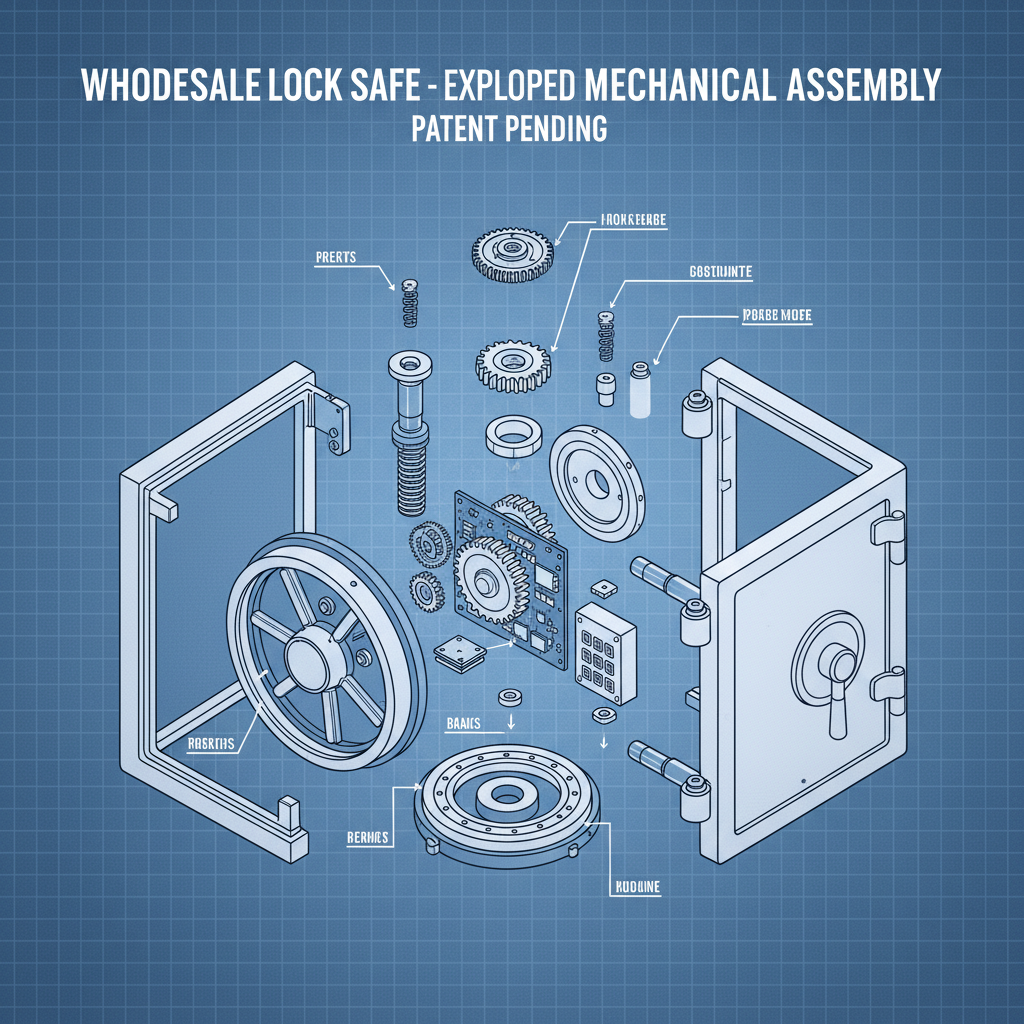
The internal components matter too. The locking bolts, the gears, the handle… They all need to be made from durable materials. We're using hardened steel alloys for the locking bolts, and brass gears for smoothness and corrosion resistance. Brass is surprisingly good stuff, smells nice when you machine it, too. I know, I know, that’s a weird thing to notice after 15 years, but you start picking up on these things.
And then there's the insulation. For fireproof safes, you need a good, non-combustible material. We’re using a composite material that’s a mixture of mineral wool and cement. It’s effective at resisting high temperatures, but it’s also a bit dusty to work with. It gets everywhere.
Real-World Testing: From Drop Tests to Forced Entry
Labs are fine for basic testing, but you really need to see how a safe holds up in the real world. We do drop tests, of course, but we also subject them to forced entry attempts. We hire guys – ex-locksmiths mostly – to try and crack the safes using a variety of tools. It's… satisfying to watch them struggle. It’s not about breaking the safe, but seeing how it resists. What points of weakness do they exploit? What tools are most effective?
We also simulate real-world scenarios. We bury safes in the ground, expose them to extreme temperatures, and even submerge them in water. We have to see how they perform under stress. You learn a lot when you’re covered in mud and wrestling with a two-hundred-pound safe.
Wholesale Lock Safe Performance Metrics
How Users Actually Employ Wholesale Lock Safes
This is where it gets interesting. You think people are using them for cash and jewelry, but a lot of times it's documents, hard drives, and… well, weird stuff. I once opened a safe that was full of vintage comic books. The owner was terrified someone would steal his collection. Who knew?
Another thing I’ve noticed is people aren't always good at remembering combinations. It’s a surprisingly common problem. They write it down, they lose the paper, and then they call us to have the lock drilled. We always tell them not to do that, but they do anyway. People will be people.
Advantages and Honest Disadvantages
The big advantage, obviously, is security. A good wholesale lock safe provides peace of mind. It’s a deterrent, and it makes it much harder for thieves to get their hands on your valuables. Plus, they’re relatively low maintenance. A little lubrication now and then, and they'll last for years.
But they’re not perfect. They're heavy, bulky, and they take up space. And if you forget the combination, you're… well, you're in trouble. They’re also not foolproof. A determined thief with the right tools can eventually crack a safe, but it will take time and effort. That's usually enough to deter them. And, let's be honest, the cheaper models aren’t very impressive. You get what you pay for.
Honestly, the biggest disadvantage is people thinking they’re invincible. A safe is a tool, not a magic shield. You still need to be smart about security, and you need to choose the right safe for your needs.
Customization Options and a Customer Story
We can customize pretty much anything. Different sizes, different colors, different locking mechanisms. We’ve even done safes with custom interiors – felt lining, dividers, shelving. Last month, that small boss in Shenzhen who makes smart home devices insisted on changing the interface to for some reason. Said it “matched his brand aesthetic”. The result was a nightmare getting the power supply integrated correctly, and honestly, it didn't even make sense from a security standpoint. But hey, customer is always right, right?
We also offer different security levels. For high-value items, we can add additional layers of protection, like relockers and hardened steel plates. We can even add biometric scanners, though I’m still not a big fan of those. Too much reliance on technology, if you ask me. But some customers insist.
I’m telling you, the best customization is always the simple stuff. A good, solid, reliable safe that’s built to last. That's what people really want. They don’t need all the bells and whistles.
Table Summarizing Wholesale Lock Safe Customization Options
| Customization Type |
Complexity Level |
Cost Impact |
Typical Lead Time |
| Size & Dimensions |
Low |
Minimal |
1-2 Weeks |
| Color & Finish |
Low |
Low-Moderate |
1-3 Weeks |
| Locking Mechanism |
Moderate |
Moderate-High |
3-4 Weeks |
| Interior Configuration |
Moderate |
Moderate |
2-3 Weeks |
| Security Level Upgrades |
High |
High |
4-6 Weeks |
| Biometric Integration |
High |
Very High |
6-8 Weeks |
FAQS
A good wholesale lock safe, with regular lubrication and proper use, can easily last 20-30 years, even longer. The key is to avoid exposing it to extreme conditions – prolonged humidity, extreme temperatures, or corrosive substances. It's a simple piece of machinery, really. As long as you don't abuse it, it'll treat you right. We've seen safes that are 50+ years old still functioning perfectly.
The gauge is critical. It directly correlates to the safe's resistance to forced entry. Thicker steel is harder to cut, drill, and pry open. However, it’s not just about thickness. The quality of the steel also matters. High-carbon steel is much stronger and more durable than lower-grade steel. A 10-gauge steel safe is generally considered a good baseline for moderate security, but for high-value items, you’ll want to go thicker.
They’re designed to protect against different threats. A fireproof safe is insulated to maintain a lower internal temperature during a fire, protecting the contents from heat damage. A waterproof safe is sealed to prevent water from entering and damaging the contents. Some safes offer both fire and water protection, but they’re typically more expensive. It's worth considering your specific needs and potential risks.
Yes, any lock can be picked or manipulated by a skilled locksmith or thief. However, high-quality wholesale lock safes use sophisticated locking mechanisms designed to resist picking and manipulation. Features like relockers, hardened steel components, and complex tumbler systems make it significantly more difficult. Regular maintenance and proper use also help to minimize the risk.
For commercial use, you need to consider factors like the value of the assets being protected, the level of security required, the space available, and the frequency of access. Compliance with insurance requirements is also important. You might also need to consider features like multiple user access, audit trails, and remote monitoring capabilities. It's all about finding the right balance between security, convenience, and cost.
It depends on the size and weight of the safe, and your level of DIY experience. Smaller safes can usually be installed by a homeowner, but larger, heavier safes are best left to professionals. Proper anchoring is crucial to prevent the safe from being moved or stolen. Professional installers have the tools and expertise to ensure the safe is securely installed and compliant with local regulations.
Conclusion
Ultimately, wholesale lock safes are about more than just steel and locking mechanisms. They're about peace of mind, protecting what matters most, and providing a tangible sense of security in an increasingly uncertain world. We’ve seen technology come and go, but the fundamental principle remains the same: a strong, well-built safe is a reliable investment.
And to be honest, whether this thing works or not, the worker will know the moment he tightens the screw. It’s about the feel, the weight, the solidness of it all. That's what matters. For more information, or to discuss your specific needs, visit our website: Wholesale lock safe.