
For distributors and procurement managers, sourcing a high-quality Wholesale portable safe box requires a balance between industrial-grade security and logistical efficiency. In the competitive landscape of metal security equipment, portable safes must provide genuine asset protection without compromising the mobility required for temporary storage or transit.
Many procurement teams struggle with the trade-off between weight and durability, often finding that low-cost bulk options lack the reinforced steel architecture necessary to deter professional tampering. The challenge lies in identifying manufacturers who can scale production while maintaining precision locking mechanisms and structural integrity.
This analysis provides a professional framework for evaluating wholesale portable safe solutions, focusing on material specifications, locking technology, and the critical criteria for selecting a reliable manufacturing partner in the structural metal products industry.

Core Structural Requirements for Portable Safes

A professional-grade portable safe must prioritize the gauge of the steel used in its construction. In the structural metal manufacturing sector, the difference between thin-sheet steel and reinforced industrial steel determines the safe's resistance to drilling and prying. For wholesale orders, ensuring a consistent thickness across all units is paramount to avoid vulnerability in a batch.
Beyond the primary shell, the integration of reinforced corners and anti-tamper hinges prevents the most common points of failure. High-performance portable safes typically utilize cold-rolled steel with specialized coatings to prevent corrosion, ensuring that the units remain operational in diverse environmental conditions, from humid offices to industrial warehouses.
Analyzing Locking Mechanisms and Access Control
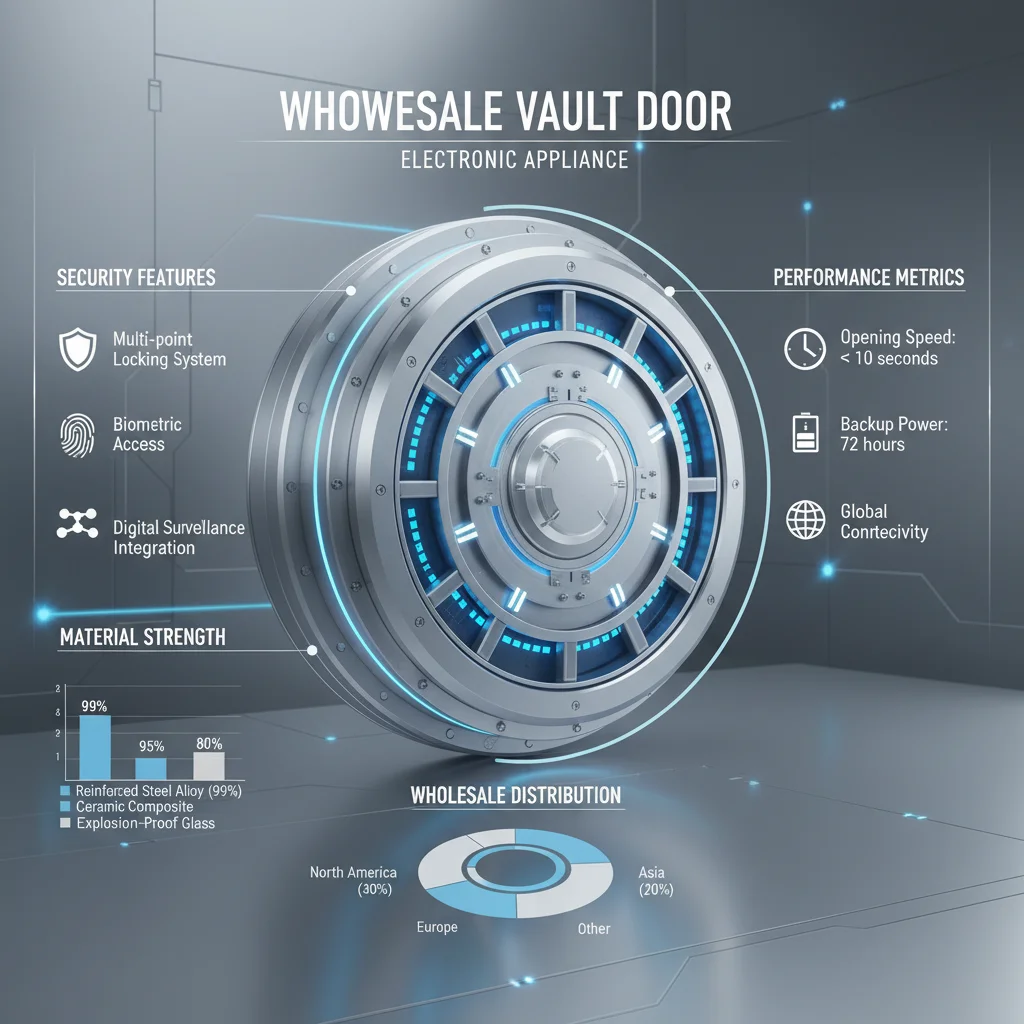
The value of a portable safe is defined by its locking system. For wholesale procurement, buyers typically choose between traditional key locks, digital keypads, and biometric fingerprint scanners. Biometric systems provide the fastest access and highest user convenience, while high-precision mechanical locks are often preferred for their reliability in environments where electronic failure is a risk.
Precision engineering in the boltwork is what separates a commercial-grade safe from a consumer-grade box. A multi-point locking system ensures that the door is secured at several locations, making it significantly harder to force open. When auditing wholesale samples, the smoothness of the locking engagement and the tolerance of the door gap should be the primary technical checkpoints.
Wholesale Application Scenarios and Volume Needs
Portable safes serve diverse markets, each with specific requirements. In the hospitality sector, hotels require small, uniform units for guest rooms that emphasize ease of use and quick resets. In contrast, the corporate and legal sectors demand higher security levels for the transport of sensitive documents and small valuables between offices.
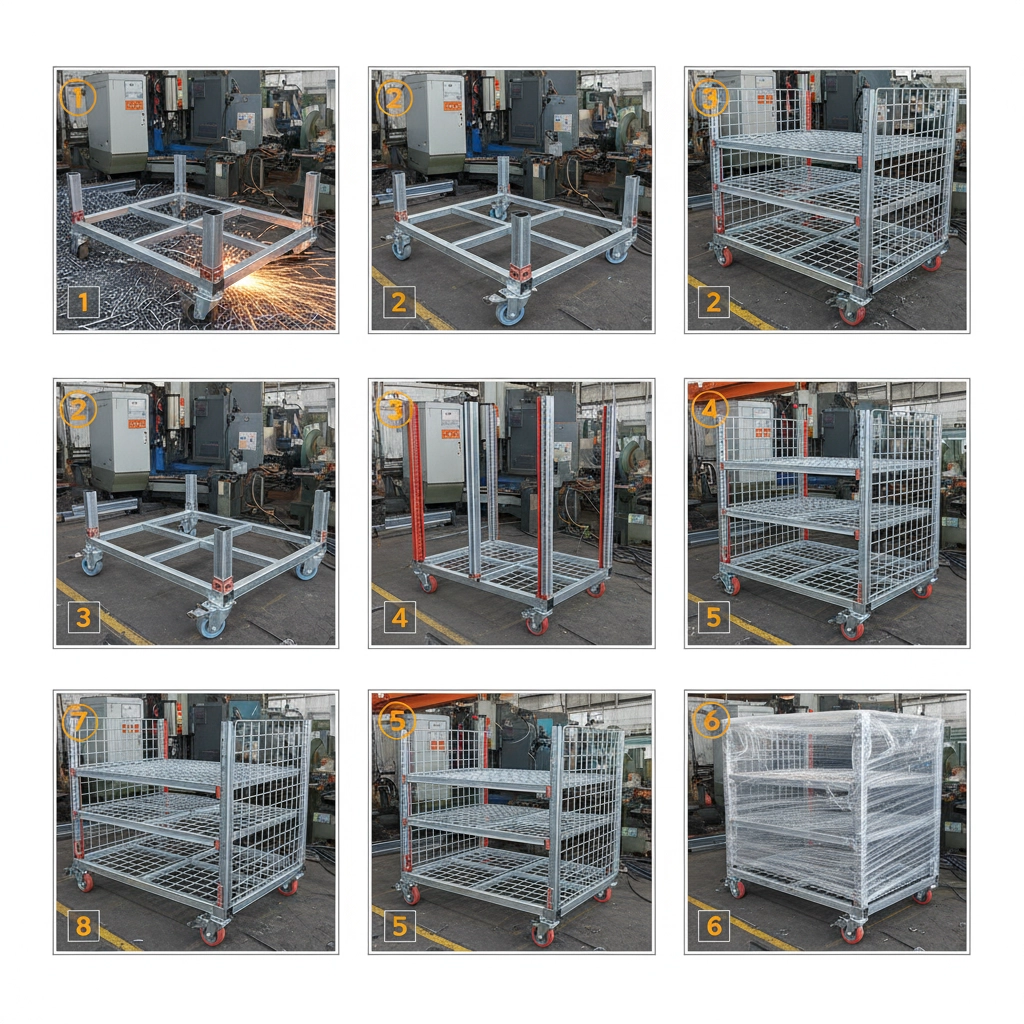
Understanding the volume needs is critical for optimizing shipping costs. Since metal safes are heavy, wholesale buyers must coordinate order quantities with shipping container capacities. Manufacturers like Hebei Zhengyi Intelligent Technology Co., Ltd. utilize automated production lines to handle annual outputs of up to 200,000 units, ensuring that large-scale orders are fulfilled without compromising the precision of the welding and stamping processes.
Relative Performance Index by Material Grade
Selecting the right material is a balance between security weight and portability. The following conceptual index illustrates the relative effectiveness of different material grades used in portable safe manufacturing across five key performance dimensions.
As shown in the illustrative framework, while standard steel offers basic deterrence, reinforced industrial steel provides a normalized score that justifies the higher weight. For wholesale buyers, the "Industrial Grade" option typically offers the best return on investment for clients who prioritize asset protection over extreme lightness.
Evaluating Manufacturing Capacity and Quality Control
When vetting a wholesale supplier, the technical infrastructure of the factory is a leading indicator of product consistency. Digital intelligent production equipment, including CNC machinery and welding robots, reduces human error in the stamping and assembly phases. This automation is essential for maintaining tight tolerances in the safe door and locking bolt alignment across thousands of units.
Quality control should extend beyond the final product to raw material inspection. The use of high-grade stainless steel or reinforced steel, coupled with automatic spraying lines for corrosion resistance, ensures long-term durability. A manufacturer's ability to integrate different security options—such as moving from a standard lock to a fingerprint system—within the same chassis demonstrates a modular engineering capability that benefits wholesale distributors.
Common Procurement Pitfalls in Bulk Sourcing
A frequent error in wholesale procurement is focusing solely on the per-unit price without calculating the total cost of ownership. Low-cost safes often suffer from "lock drift," where the mechanism becomes misaligned after repeated use, leading to high return rates and customer dissatisfaction. Buyers should insist on stress-test data for the locking cycles.
Another risk is the neglect of packaging specifications for bulk transit. Metal safes are prone to denting and paint scratching during sea freight. Professional suppliers implement reinforced internal padding and heavy-duty outer cartons to ensure that the "wholesale" price does not lead to "wholesale" damage upon arrival at the distribution center.
Decision Framework for Wholesale Safe Selection
To finalize a procurement decision, buyers should categorize their needs based on the intended end-user. The following qualitative comparison assists in matching the safe type to the specific security and mobility requirements of different market segments.
| Safe Category | Primary Material | Lock Type | Best Use Case |
|---|---|---|---|
| Economy Portable | Thin-gauge Steel | Manual Key | Basic Deterrence |
| Business Portable | Reinforced Steel | Digital/Combo | Office Valuables |
| Premium Security | Industrial Alloy | Biometric | High-Value Assets |
| Fire-Resistant | Composite Steel | Digital | Document Protection |
| Compact Hotel | Standard Steel | Electronic | Hospitality Guest |
| Heavy-Duty Transit | Thick-wall Steel | Dual-Lock | Courier/Transport |
By utilizing this framework, procurement officers can ensure that the chosen Wholesale portable safe box aligns with the actual risk profile of their clients, avoiding the pitfalls of over-specifying or under-protecting the assets.
Frequently Asked Questions
The steel gauge (thickness) and the quality of the locking boltwork are the most critical. A safe is only as strong as its weakest point, and in portable units, this is usually the door seam or the hinge pins.
Biometric locks offer superior speed and a "premium" feel for the end-user, but they require higher quality sensors to avoid false rejection rates. Digital keypads are generally more cost-effective for mass distribution.
Yes, most professional manufacturers provide OEM services, including custom powder-coating colors and logo embossing, provided the order meets the minimum volume requirements.
Check the weld quality for gaps, test the lock engagement multiple times, and verify the paint adhesion. Also, ensure the internal shelving or compartments are securely fixed.
While "portable" implies lightness, excessive weight reduction usually means thinner steel. A balanced portable safe uses high-density alloys to maintain strength while keeping the weight manageable for transit.
Volume-to-weight ratios are key. Buyers should optimize palette stacking and ensure the manufacturer uses moisture-absorbent materials inside the packaging to prevent rust during long sea voyages.
Conclusion
Successfully sourcing a Wholesale portable safe box requires moving beyond simple price comparisons to a rigorous evaluation of structural steel, locking precision, and manufacturing scalability. By focusing on the material grade and the technical capabilities of the supplier, procurement managers can deliver a product that provides genuine security and long-term reliability for their end-users.
For organizations seeking industrial-grade security solutions and large-scale production capabilities, detailed product specifications and manufacturing standards can be reviewed at www.zhengyisafes.com to ensure alignment with specific security requirements.