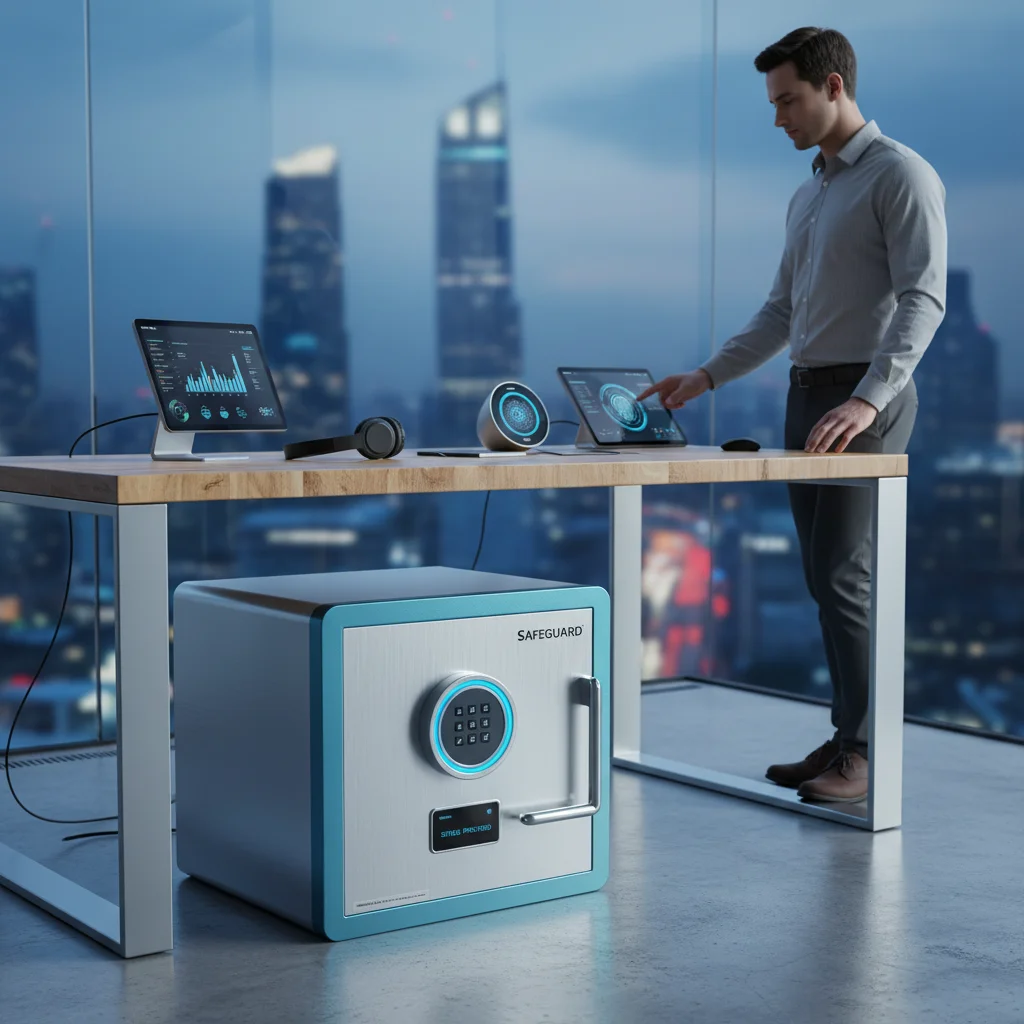
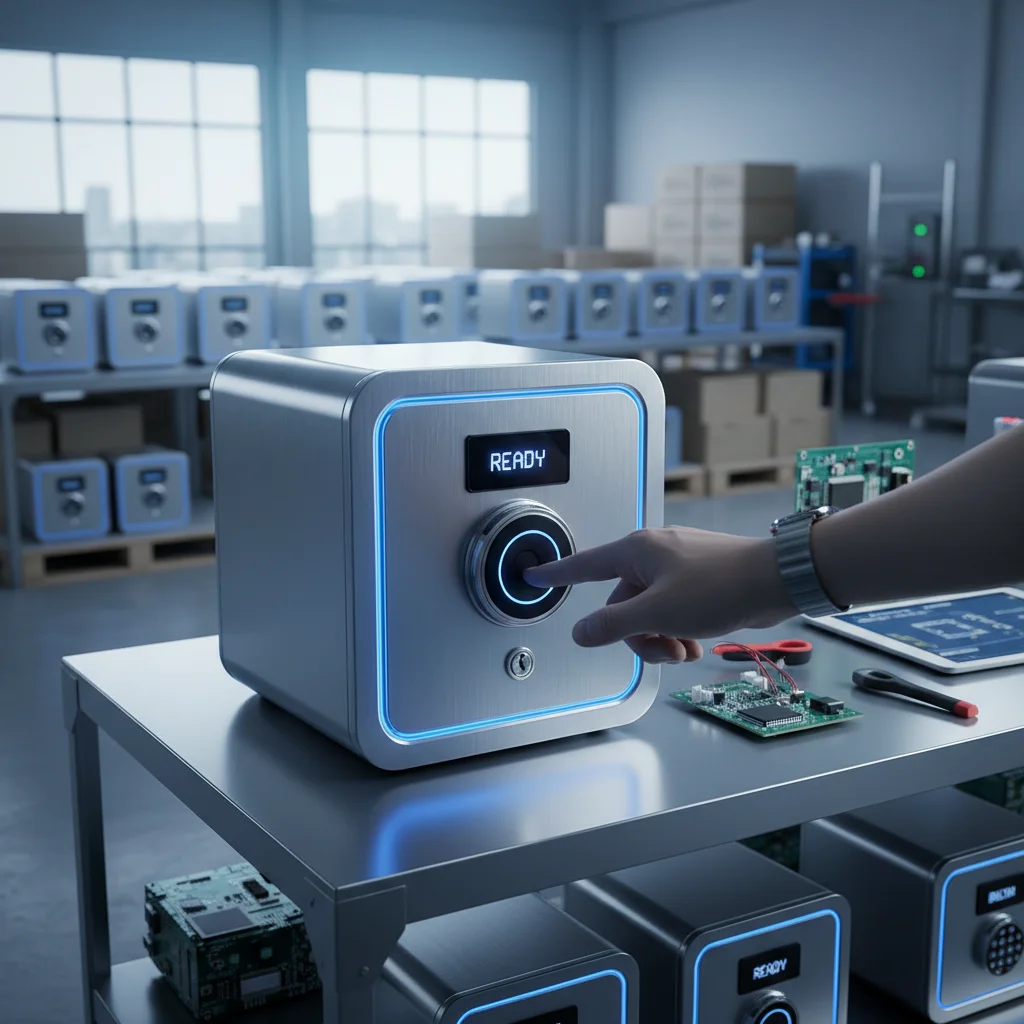
Wholesale deposit box solutions are rapidly gaining prominence globally, driven by increased security concerns and the need for robust asset protection. These specialized safes aren't simply about storing valuables; they represent a critical component of risk management for businesses and institutions handling significant assets. From financial institutions to law enforcement agencies, and even large retail operations, the demand for high-security, scalable deposit box systems is consistently growing. Understanding the nuances of wholesale purchasing, customization options, and logistical considerations is vital for organizations seeking to implement effective security infrastructure.
The global market for security solutions, including wholesale deposit boxes, is projected to experience substantial growth in the coming years. Factors such as rising crime rates, increasing insurance costs, and the need to comply with stringent regulatory standards are all contributing to this trend. The ISO 9001 certification, for example, demonstrates a commitment to quality management systems, a key requirement for suppliers in this sector. The UN's Sustainable Development Goal 16 (Peace, Justice, and Strong Institutions) indirectly highlights the importance of secure asset management.
This demand presents significant opportunities for manufacturers and suppliers specializing in wholesale deposit box production. However, navigating the complexities of international trade, ensuring compliance with local regulations, and providing tailored solutions to meet diverse client needs are key challenges that must be addressed. A strategic approach to wholesale distribution, coupled with a focus on innovation and customer service, is essential for success in this evolving market.
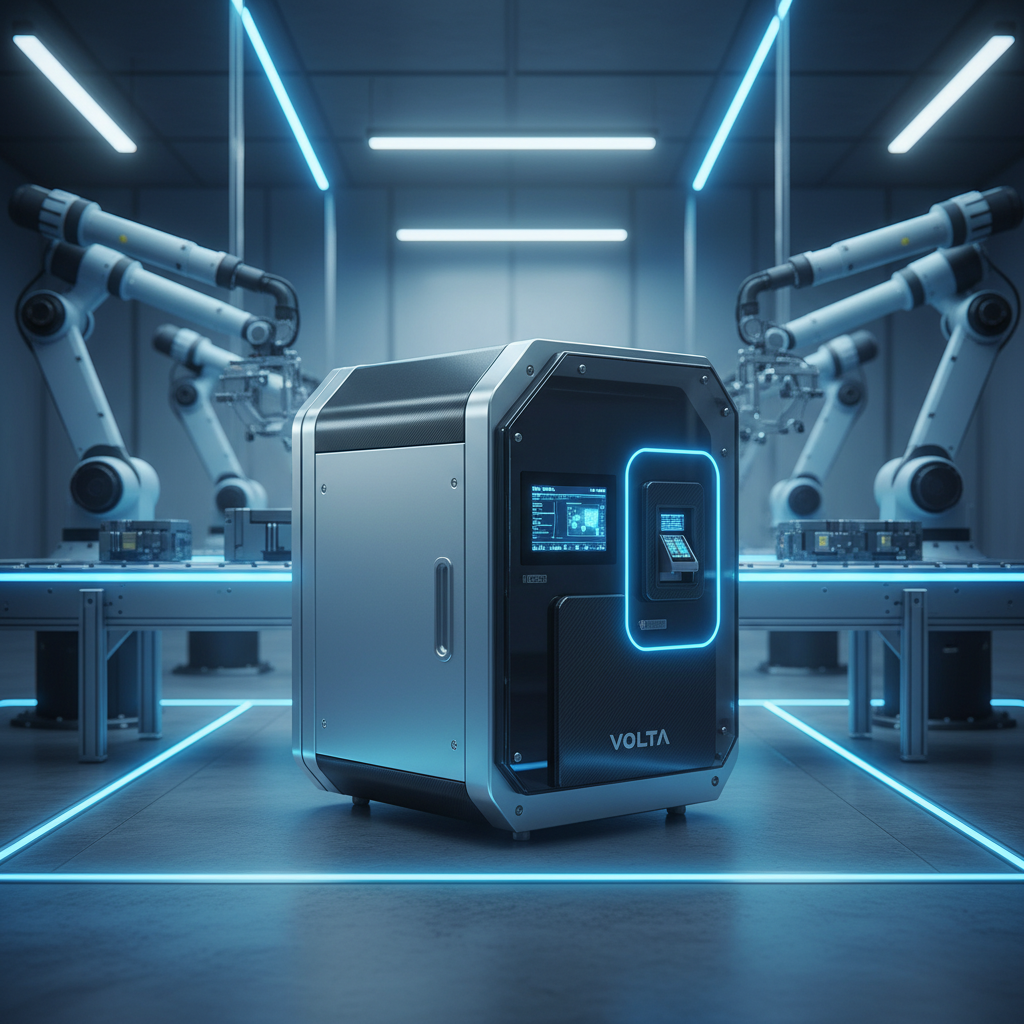
Introduction to Wholesale Deposit Box
The term “wholesale deposit box” refers to the bulk purchase of secure storage units intended for a variety of institutional and commercial applications. These aren't the standard individual safety deposit boxes found in banks, but rather larger quantities procured by businesses, government agencies, or security firms. The key difference lies in volume, customization options, and the focus on meeting specific operational needs.
Wholesale deposit boxes play a vital role in securing sensitive documents, valuable assets, and evidence in numerous sectors. From legal firms protecting client records to pharmaceutical companies securing research data, the need for reliable and scalable storage solutions is paramount. They connect directly to modern industry needs for data protection, compliance, and physical security, contributing to a more secure and trustworthy operational environment.
Defining Wholesale Deposit Boxes
At its core, a wholesale deposit box is a secure container designed to protect contents from theft, damage, and unauthorized access. However, unlike retail safety deposit boxes, these are often modular and available in a wider range of sizes, materials, and locking mechanisms. The 'wholesale' aspect signifies that they are typically sold in bulk to organizations rather than individual customers.
These systems often include advanced features such as biometric access control, real-time monitoring capabilities, and tamper-evident seals. They can be integrated into larger security infrastructures, offering a comprehensive approach to asset protection. The connection to modern industry needs stems from the increasing regulatory requirements surrounding data security and the need for robust physical safeguards against evolving threats.
The concept also extends to specialized deposit box systems tailored to specific industries. For instance, evidence lockers used by law enforcement are essentially wholesale deposit boxes designed to maintain chain of custody and ensure the integrity of forensic evidence. Similarly, secure document storage solutions for financial institutions fall under this umbrella.
Core Components of Wholesale Deposit Boxes
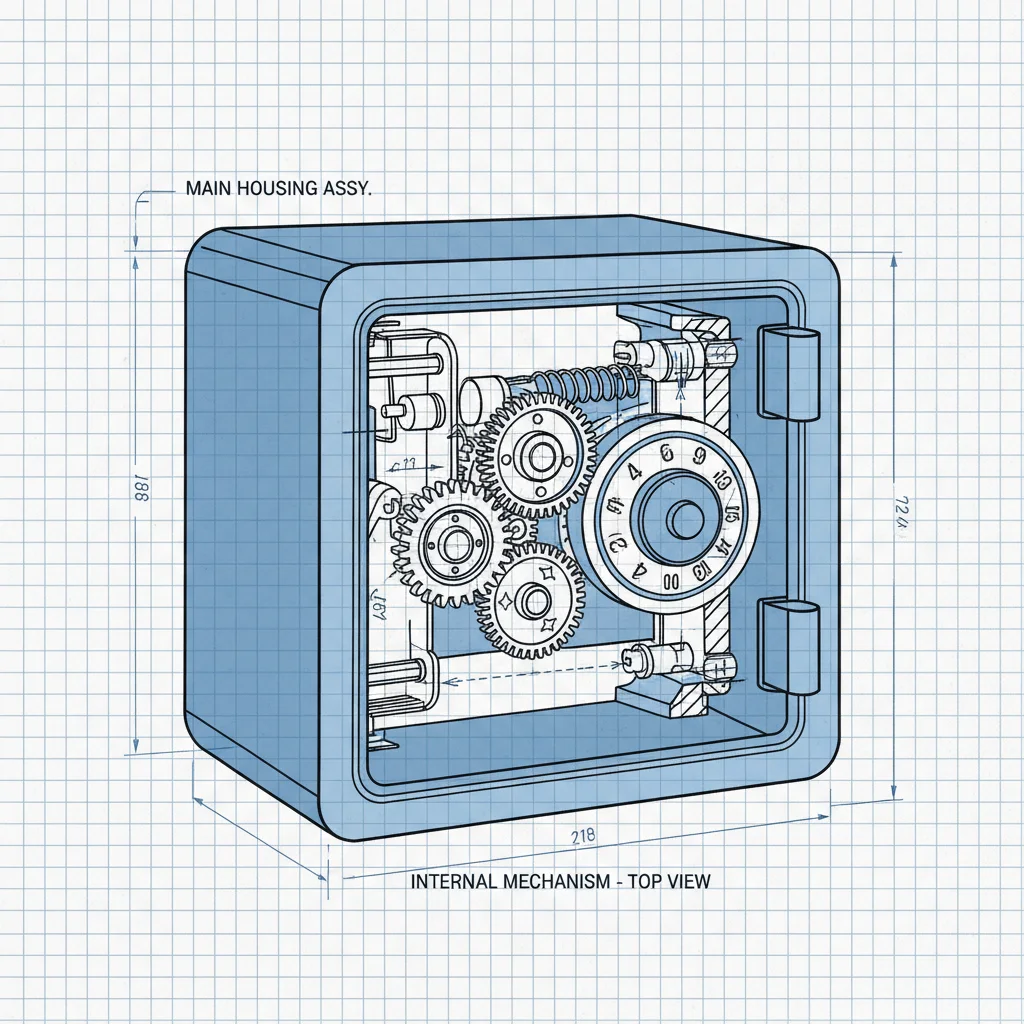
Several core components determine the effectiveness and reliability of a wholesale deposit box. These include the shell material (typically steel, stainless steel, or composite materials), the locking mechanism (ranging from traditional key locks to sophisticated electronic and biometric systems), and the internal configuration (shelves, partitions, and dividers to accommodate different contents).
Beyond the physical structure, internal organization plays a key role. High-quality wholesale deposit boxes feature robust hinges, reinforced seams, and anti-pry mechanisms to resist forced entry. Proper ventilation and fire resistance are also critical considerations, particularly for storing sensitive documents or valuable materials susceptible to damage from heat or humidity.
Furthermore, many modern wholesale deposit box solutions incorporate advanced security features such as audit trails, remote monitoring capabilities, and integration with existing security systems. The choice of components ultimately depends on the specific security requirements and budgetary constraints of the end-user.
Key Factors Influencing Wholesale Deposit Box Selection
Selecting the right wholesale deposit box requires careful consideration of several key factors. Durability is paramount – the box must withstand attempts at forced entry and environmental factors like fire and water damage. Scalability is also important, as organizations may need to expand their storage capacity over time.
Cost efficiency is crucial, particularly for large-scale deployments. This includes not only the initial purchase price but also ongoing maintenance and operational costs. Compliance with industry-specific regulations (e.g., HIPAA for healthcare, GLBA for financial institutions) is another critical consideration.
Wholesale Deposit Box Feature Importance
Global Applications of Wholesale Deposit Boxes
Wholesale deposit box systems find applications across diverse sectors globally. Law enforcement agencies utilize them as evidence lockers, ensuring the integrity and chain of custody of crucial evidence. Financial institutions employ them for secure document storage and asset protection, complying with stringent regulatory requirements.
In post-disaster relief operations, secure storage containers are often deployed to safeguard essential supplies and aid materials. Remote industrial zones rely on them to protect sensitive equipment and valuable materials from theft and environmental damage. Hospitals and healthcare facilities utilize them for securing patient records and controlled substances.
Advantages and Long-Term Value
The advantages of investing in wholesale deposit box solutions extend beyond immediate security. Cost savings through bulk purchasing, reduced insurance premiums, and minimized risk of asset loss contribute to long-term financial benefits. Sustainability is also a factor, as durable, well-maintained boxes can last for decades, reducing the need for frequent replacements.
From a social impact perspective, secure storage solutions promote trust and accountability, particularly in sectors handling sensitive information or valuable assets. Emotionally, knowing that critical assets are safe provides peace of mind, while logically, it strengthens operational efficiency and minimizes potential disruptions. The innovative features incorporated in modern wholesale deposit boxes demonstrate a commitment to ongoing improvement and enhanced security.
Future Trends and Innovations
The future of wholesale deposit box technology is likely to be shaped by several key trends. Increased integration with digital security systems, including cloud-based monitoring and remote access control, is anticipated. The development of new, lightweight, and ultra-durable materials will further enhance security and portability.
Automation, such as robotic retrieval systems for large-scale storage facilities, could streamline operations and improve efficiency. Sustainability will become increasingly important, with a focus on using recycled materials and reducing the environmental impact of manufacturing processes. Advancements in biometric authentication and encryption technologies will further strengthen security measures.
Challenges and Solutions
Despite their benefits, implementing wholesale deposit box systems can present challenges. Ensuring compliance with diverse international regulations and standards can be complex. Maintaining consistent quality control across large-scale production runs is crucial. And the initial investment cost can be substantial.
Solutions include partnering with experienced suppliers familiar with international trade regulations, implementing rigorous quality assurance processes, and exploring financing options to mitigate upfront costs. Standardization of key components and modular designs can simplify maintenance and scalability. Adopting a lifecycle cost analysis approach can demonstrate the long-term value of investing in high-quality wholesale deposit box solutions.
Summary of Challenges and Solutions for Wholesale Deposit Box Implementation
| Challenge |
Impact on Wholesale Deposit Box Systems |
Proposed Solution |
Implementation Complexity (1-5) |
| Regulatory Compliance |
Varying standards across regions increase costs and delays. |
Partner with suppliers specializing in international trade compliance. |
4 |
| Quality Control |
Inconsistent manufacturing can compromise security. |
Implement rigorous inspection protocols throughout the production process. |
3 |
| Initial Investment Cost |
Large-scale purchases can strain budgets. |
Explore leasing options or phased deployment strategies. |
2 |
| Scalability & Customization |
Meeting evolving storage needs can be challenging. |
Choose modular systems that allow for easy expansion and customization. |
3 |
| Supply Chain Disruptions |
Geopolitical events or natural disasters can impact availability. |
Diversify suppliers and maintain buffer stock levels. |
4 |
| Integration Complexity |
Integrating with existing security infrastructure requires expertise. |
Work with experienced integrators and choose systems with open APIs. |
5 |
FAQS
Lead times for wholesale deposit boxes vary depending on the quantity, customization options, and current production schedule. Generally, standard orders of up to 100 boxes can be fulfilled within 4-6 weeks. Larger, highly customized orders may require 8-12 weeks or longer. It’s crucial to discuss specific requirements with the supplier during the quoting process to establish a realistic delivery timeframe. We recommend placing orders well in advance to account for potential delays.
A significant advantage of purchasing wholesale is the degree of customization possible. Options include varying box sizes and internal configurations (shelves, dividers), different locking mechanisms (key, combination, biometric, electronic), custom paint colors and branding, and the addition of specialized features like fire resistance or tamper-evident seals. Suppliers can often accommodate unique requests to meet specific operational needs.
The most common materials include steel (typically carbon steel for strength and affordability), stainless steel (for corrosion resistance), and composite materials (offering a balance of strength, weight, and cost). The thickness of the steel used is a critical factor in determining the box's security level. High-security boxes typically utilize thicker gauge steel and reinforced construction. Suppliers can provide detailed material specifications.
Requesting samples is crucial for assessing the build quality and security features of potential suppliers. Verify that the supplier holds relevant certifications, such as ISO 9001, which demonstrates adherence to quality management standards. Conduct a thorough inspection of the sample box, paying attention to welding quality, locking mechanism functionality, and overall construction. Checking the supplier’s reputation and customer reviews can also provide valuable insights.
Warranty terms vary among manufacturers, but typically range from 1 to 5 years, covering defects in materials and workmanship. The warranty may not cover damage caused by misuse, unauthorized modifications, or acts of nature. It’s important to carefully review the warranty terms and conditions before making a purchase to understand the scope of coverage. Some suppliers offer extended warranty options for an additional fee.
Shipping large volumes of deposit boxes can be complex and costly. It's important to obtain quotes from multiple freight carriers and factor in packaging costs, insurance, and potential import/export duties. Suppliers can often assist with arranging shipping and handling logistics. Proper packaging is essential to prevent damage during transit. Ensure the supplier uses sturdy packaging materials and adequately protects the boxes from impacts and weather conditions.
Conclusion
Wholesale deposit box solutions are an essential component of modern asset protection strategies, offering scalability, durability, and a range of customization options to meet diverse needs. From securing sensitive documents to protecting valuable assets, these systems provide peace of mind and contribute to a more secure operational environment. Understanding the key factors influencing selection, future trends, and potential challenges is crucial for maximizing their long-term value.
Looking ahead, continued innovation in materials, security technologies, and integration capabilities will further enhance the effectiveness of wholesale deposit box systems. By prioritizing quality, compliance, and customer service, organizations can leverage these solutions to safeguard their assets and build trust with stakeholders. For a comprehensive range of wholesale deposit box solutions tailored to your specific requirements, visit our website today.