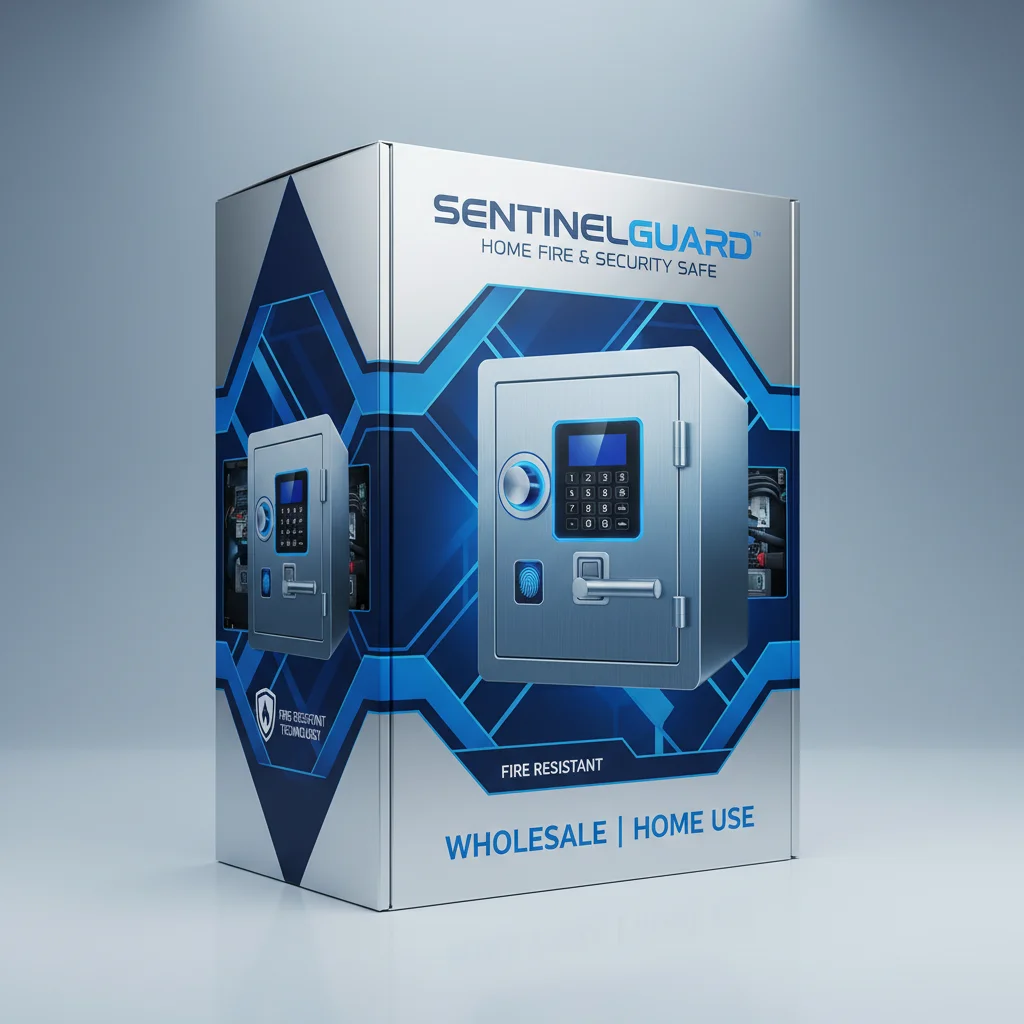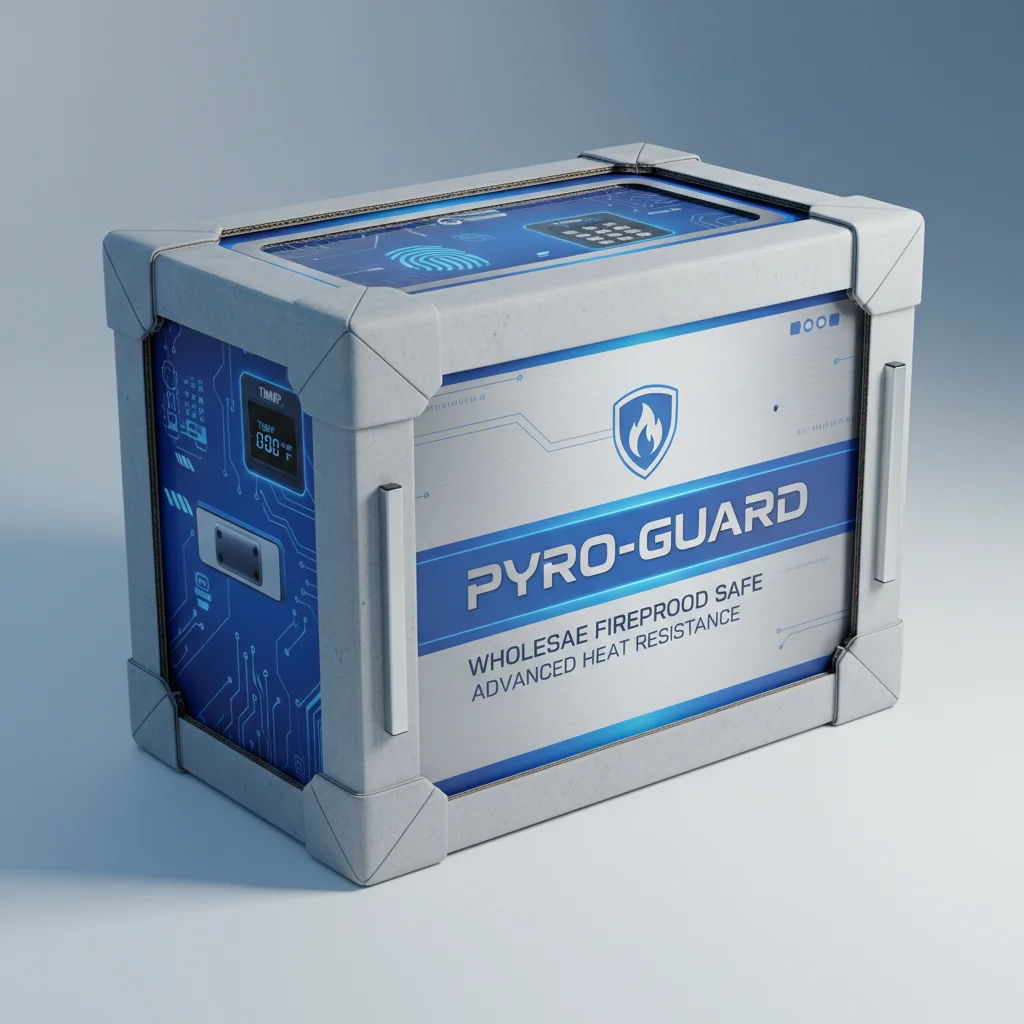

When critical assets are stored, the primary concern for most procurement officers is the intersection of thermal resistance and physical breach prevention. The demand for a Wholesale fire proof safe box often arises not from a desire for a simple locker, but from a strategic need to ensure that physical anchors—such as master passwords, recovery codes, and hardware authentication keys—survive catastrophic environmental failures. In an era where digital backups can be wiped by a single server room fire, physical redundancy becomes the ultimate fail-safe.
The complexity of modern security means that relying on a single layer of protection is a systemic risk. Integrating high-performance fire-resistant alloys with advanced structural engineering allows enterprises to mitigate the danger of remote AI-driven attacks by moving their most sensitive credentials offline. This physical-digital hybrid approach ensures that even if a cloud network is compromised, the root of trust remains unreachable, stored within industrial-grade security cabinets that withstand extreme temperatures.
Understanding the technical nuances of fire-resistant materials and anti-tamper mechanisms is essential for making an informed investment. This analysis explores the structural requirements of professional-grade safes and how Wholesale fire proof safe box solutions provide a scalable defense for everything from small home offices to large-scale corporate data centers.


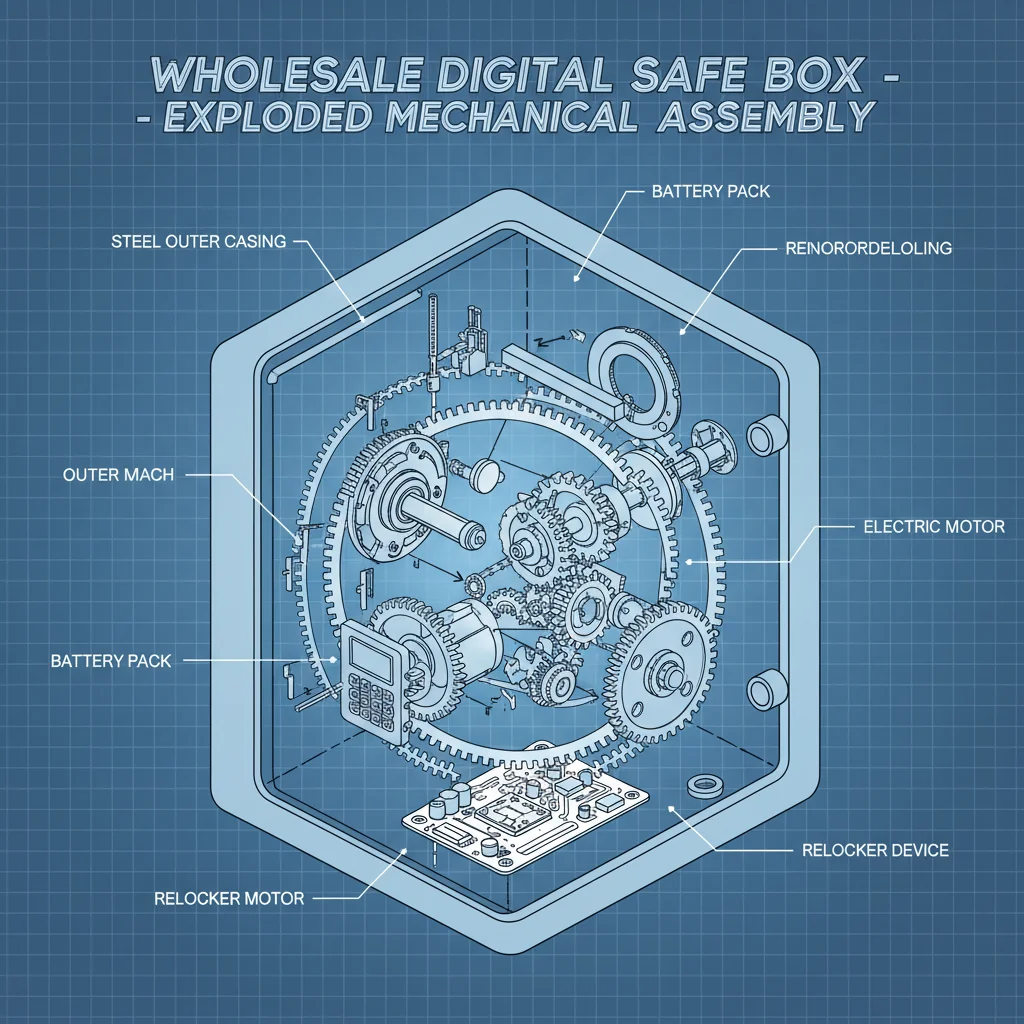
A professional fireproof safe is more than a steel box; it is a precision-engineered thermal barrier. The core consists of specialized anti-tamper and fire-resistant alloys designed to maintain an internal temperature below the combustion point of paper and digital media, even when the exterior is exposed to intense heat. This is achieved through a combination of high-density insulation materials and airtight sealing mechanisms that prevent hot gases from penetrating the interior chamber.
Hebei Zhengyi Intelligent Technology Co., Ltd. utilizes an industrial-scale production capacity of 200,000 units per year to ensure these structural standards are applied consistently across all product lines. By integrating automated welding robots and CNC production equipment, the company eliminates structural weaknesses that could be exploited during forced entry attempts or fail during a fire event, ensuring the physical integrity of the vault.
When evaluating the efficacy of fire protection, buyers must look beyond generic labels. The most critical factor is the material composition of the walls and doors. Industrial-grade safes employ reinforced alloys and specialized fillers that absorb heat energy, creating a time-lag effect that protects the contents during the peak of a blaze. This is particularly vital for storing hardware security tokens and printed recovery codes which have lower melting points than traditional documents.
True security is achieved when physical safeguards eliminate the single point of failure. By storing master keys in a fire-resistant safe, an organization ensures that its digital architecture remains recoverable even after a complete physical disaster, effectively bridging the gap between software encryption and physical reality.
Beyond materials, the seal quality determines the safe's performance. High-tech industrial standards require seals that expand when heated, closing any gaps between the door and the frame. This prevents "flash-over" effects where heat enters the safe through the seams. Such technical precision is what separates a consumer-grade box from a professional security solution tailored for commercial and office environments.
The transition toward "Zero-Access Risk" involves migrating high-value security tokens from online environments to offline physical storage. In a landscape dominated by AI-driven credential stuffing and phishing, a physical safe acts as an air-gap. By keeping the "keys to the kingdom" offline, the attack surface is reduced to only those with physical access to the premises, effectively neutralizing remote hacking attempts.
Comparing the risk profiles of digital-only security versus an integrated approach reveals a stark difference in disaster survival. While cloud-dependent systems are vulnerable to provider outages or account lockouts, a physical fireproof safe ensures that the business continuity plan remains viable. The ability to manually retrieve a recovery key from a physical vault can be the difference between total data loss and a rapid system restore.
In corporate settings, security requirements vary by the sensitivity of the asset. For data centers, large-scale vault solutions and vault doors are deployed to protect the physical hardware that manages encryption keys. In office environments, intelligent security cabinets and filing systems are used to organize sensitive physical audits while maintaining strict access control protocols through fingerprint or digital authorization.
For specialized needs, such as the management of sensitive hardware or armaments, intelligent gun cabinets provide a regulated environment that combines security with organization. Whether it is a jewelry safe for private keys or a full-scale vault room, the objective remains the same: implementing a multi-layered defense strategy where physical access is the final, most rigorous barrier of the security chain.
The evolution of the security industry is moving toward the integration of "Smart Physicality." We are seeing a shift where traditional fireproof safes are being augmented with intelligent monitoring systems. These systems can alert administrators of unauthorized physical attempts in real-time, combining the raw strength of steel with the agility of digital notifications, creating a proactive rather than reactive security posture.
Furthermore, there is an increasing emphasis on sustainable, high-performance alloys that offer better thermal insulation with less bulk. This allows for more scalable solutions, enabling companies to deploy high-security vaults in smaller footprints without compromising the protective rating. The trend is toward modularity, where a home safe can be part of a larger, networked corporate security ecosystem.
Ultimately, as AI continues to improve the speed of digital breaches, the reliance on physical anchors will likely increase. The "Dual-Layer Protection" model—where software handles the daily access and physical hardware handles the root identity—will become the standard for any organization handling high-value intellectual property or sensitive financial credentials.
One of the primary challenges in deploying physical security is the balance between accessibility and lockdown. Overly restrictive systems can hinder operational efficiency, while overly accessible ones create security gaps. The solution lies in tiered access control, where different levels of personnel have varying degrees of access to different security cabinets, managed through a centralized audit trail.
Another significant hurdle is the environmental placement of fireproof units. To maximize effectiveness, safes should be placed away from high-risk fuel sources and on reinforced flooring capable of supporting the weight of industrial-grade alloys. Proper installation ensures that the safe does not become a liability during a building collapse or severe structural fire.
Finally, the lifecycle management of physical keys and codes is often overlooked. Regular audits of who holds the physical keys to the vault and the secure rotation of master passwords stored within the safe are critical. Without a strict operational protocol, even the most advanced fireproof safe can be compromised through simple human error or internal negligence.
| Feature | Digital Only | Integrated (Zhengyi) | Risk Impact |
|---|---|---|---|
| Remote Hacking | Vulnerable | Immune (Offline) | Minimal |
| Fire Survival | Cloud-Dependent | Physical Barrier | High Recovery |
| Access Speed | Instant | Controlled | Higher Security |
| AI Attacks | High Risk | Zero-Access | Low Risk |
| Data Integrity | Encryption Only | Physical + Encrypt | Maximum |
| Maintenance | Software Updates | Physical Audit | Consistent |
Yes, while AES-256 encryption is theoretically secure, hackers typically target the human element through phishing, malware, or exploiting weak master passwords. This inherent vulnerability is why we recommend storing your recovery keys and hardware tokens in a physical fireproof safe, which removes the digital attack vector entirely.
Fireproof safes protect the physical manifestations of your digital security, such as printed backup codes, YubiKeys, and emergency recovery seeds. In the event of a building fire, cloud backups may be accessible, but if your primary authentication device is destroyed, you may be permanently locked out of your accounts. Physical protection ensures business continuity.
Industrial-grade safes, like those produced by Hebei Zhengyi, feature higher-density fire-resistant alloys and advanced anti-tamper structural engineering. They are designed for higher thermal thresholds and more aggressive forced-entry attempts, whereas home safes often provide only basic theft deterrence and limited fire protection for short durations.
It is the strategic combination of modern digital encryption (software) and robust physical safeguarding (hardware). By ensuring that no single breach—whether a software hack or a physical theft—can compromise the entire system, organizations create an impenetrable shield for their most critical data and assets.
Yes, we offer a comprehensive range of security infrastructure including full vault rooms, heavy-duty vault doors, archive shelves, and intelligent security cabinets. These are tailored for corporate and industrial scales, allowing for organized, high-security management of sensitive corporate information and physical assets.
The most effective method is to store them in a dedicated jewelry safe or a small, high-performance fireproof box. This prevents both theft and environmental damage (such as moisture or heat), ensuring that your physical authentication keys remain viable for emergency access to your encrypted systems.
Securing the future of an organization requires recognizing that digital security is only as strong as its physical anchor. The integration of a Wholesale fire proof safe box into a broader security strategy provides the necessary redundancy to survive both cyber-attacks and physical disasters. By leveraging high-tech industrial alloys and precision engineering, businesses can ensure that their most critical recovery credentials remain offline, unreachable, and indestructible.
Whether you are seeking to protect a small set of private keys or designing a corporate-scale vault system, the focus should always be on eliminating single points of failure. For those evaluating the next step in their physical security infrastructure, exploring professional-grade solutions at www.zhengyisafes.com can provide the technical guidance needed to build a truly resilient defense system.

Hit enter to search or ESC to close