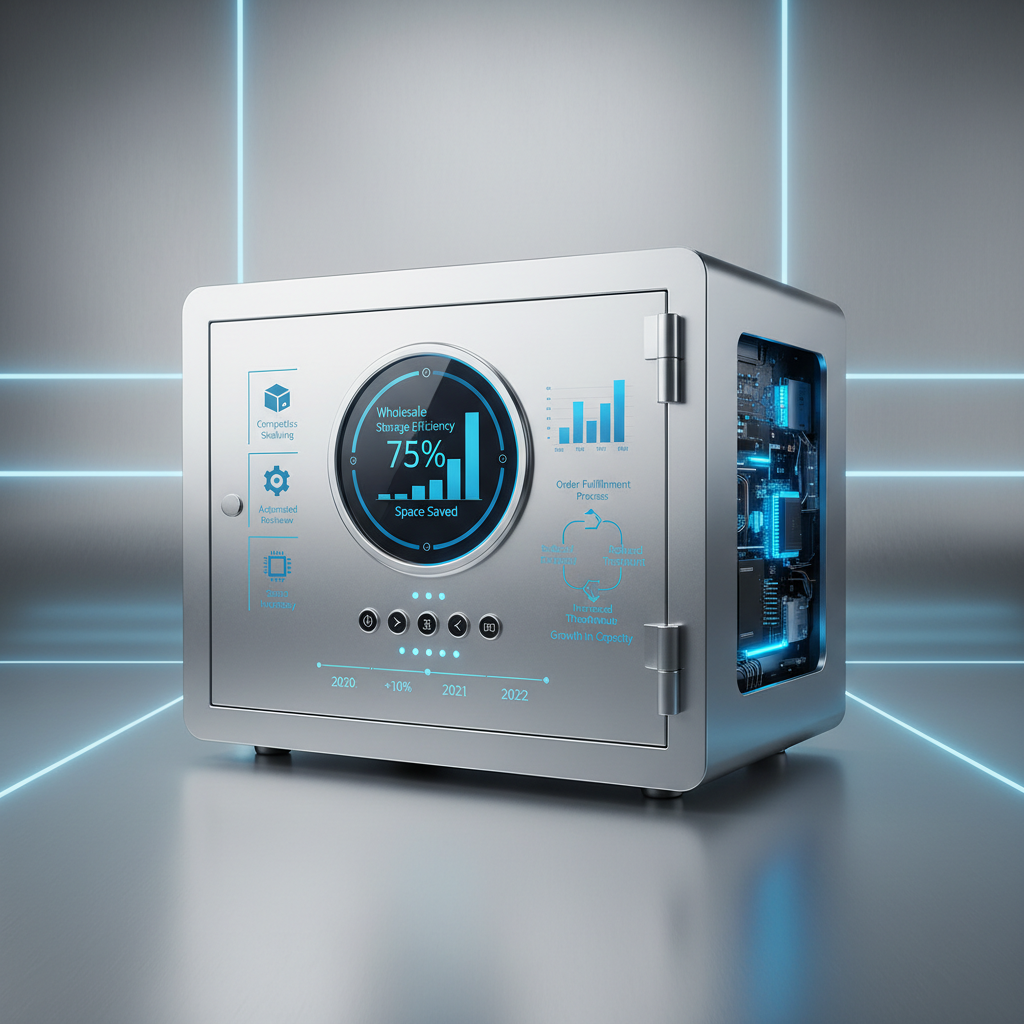
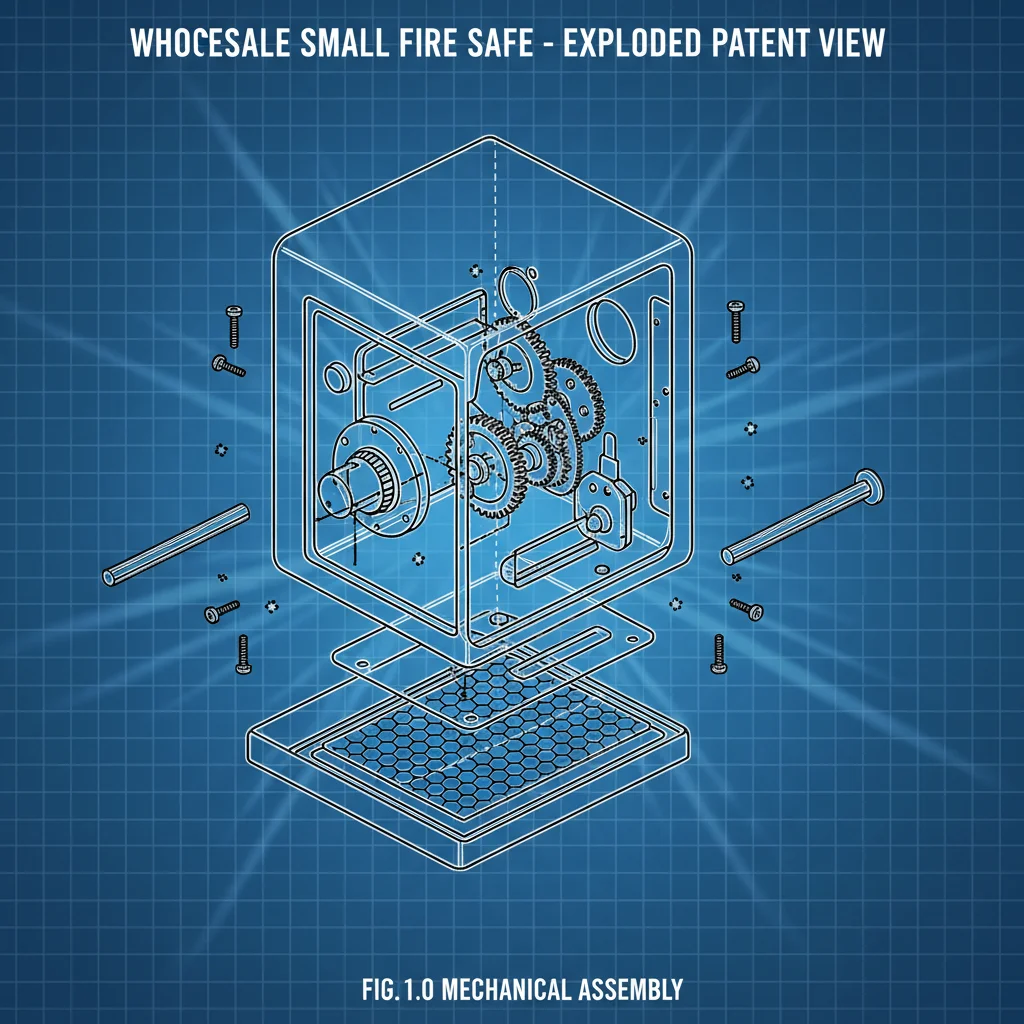
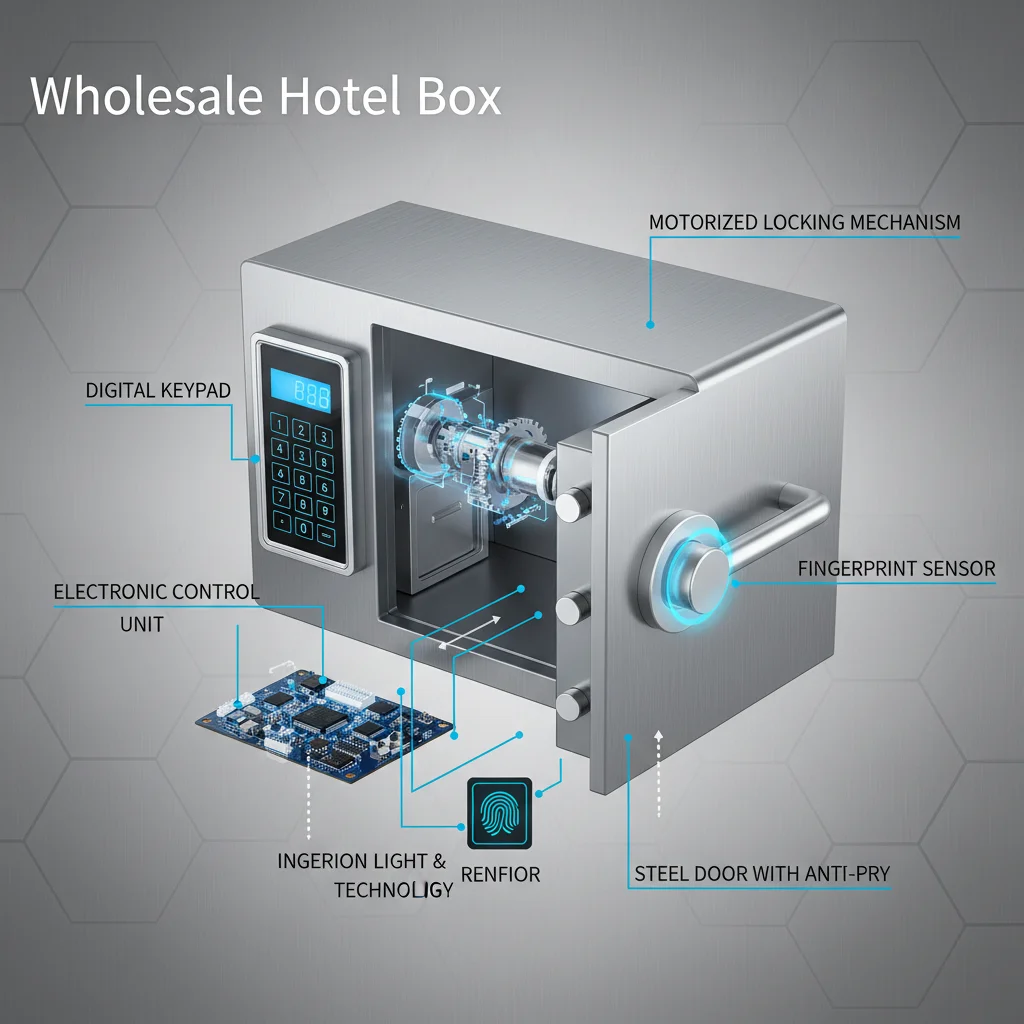
In the modern era of data management and physical archiving, the demand for space optimization has led to the widespread adoption of high-density storage solutions. Wholesale compactus shelving represents the gold standard for organizations looking to maximize their square footage while maintaining rapid access to critical documents and assets. By eliminating static aisles, these systems allow businesses to store up to twice as much material in the same footprint, transforming cramped archives into streamlined hubs of efficiency.
Globally, the shift toward digitized records has not eliminated the need for physical storage; rather, it has increased the value of secure, compact physical backups. Whether it is a government archive, a medical records center, or a corporate legal department, the implementation of wholesale compactus shelving ensures that physical assets are organized, protected, and easily retrievable. This strategic investment not only reduces real estate overhead but also enhances the operational workflow of high-volume administrative environments.
Understanding the intricacies of these systems—from the mechanical drive mechanisms to the load-bearing capacities of the steel frames—is essential for any procurement manager. By choosing a wholesale approach, organizations can standardize their storage infrastructure across multiple locations, ensuring consistency in safety protocols and accessibility. This comprehensive guide explores the technical advantages, global applications, and future trajectories of high-density mobile shelving systems.
The Industrial Evolution of Wholesale Compactus Shelving
The transition from traditional static shelving to Wholesale compactus shelving reflects a broader industrial trend toward "lean" operations. Historically, archives were characterized by endless rows of fixed shelves and wasted corridor space. The introduction of mobile carriages allowed for a single floating aisle, fundamentally changing how urban offices and institutional basements are utilized.
Today, the manufacturing of these systems integrates advanced metallurgy and precision engineering. By utilizing high-grade cold-rolled steel and reinforced tracking systems, modern compactus units can handle immense weight loads without compromising the fluid movement of the shelving blocks. This evolution has turned storage from a passive utility into an active asset management tool.
Core Engineering Principles of High-Density Storage
At its core, the effectiveness of Wholesale compactus shelving relies on the synergy between the chassis, the drive mechanism, and the shelving uprights. The chassis must be perfectly leveled to prevent "drift," a common issue in lower-quality systems where the shelves move independently of the operator's intent. Precision-engineered rails ensure that even when loaded to maximum capacity, the friction remains low, allowing a single person to move tons of material with minimal effort.
Durability is achieved through professional-grade powder coating and reinforced weld points. In the context of metal insurance equipment manufacturing, the structural integrity of the shelving is paramount; it must resist warping under extreme pressure. This is particularly critical for wholesale orders intended for heavy-duty industrial use, where the consistency of the gauge of steel used across all units determines the lifespan of the entire system.
Scalability is another pillar of these systems. Modular designs allow organizations to expand their storage capacity as their archives grow. By adding additional carriages to an existing track system, businesses can increase their density without needing to renovate their physical space. This flexibility makes the wholesale model highly attractive for growing enterprises that anticipate a steady increase in physical documentation.
Determining the ROI of Wholesale Compactus Shelving
Calculating the Return on Investment (ROI) for Wholesale compactus shelving begins with a "cost per square foot" analysis. In prime commercial real estate zones, the cost of expanding a building to accommodate more archives is often prohibitive. By implementing high-density storage, companies can effectively double their storage capacity within the same room, potentially saving hundreds of thousands of dollars in lease or construction costs.
The second phase of ROI analysis focuses on operational efficiency. Wholesale compactus shelving reduces the "search and retrieve" time for employees. When records are organized in a condensed, logically sequenced system, the physical distance traveled by staff is significantly reduced, leading to higher productivity and lower labor costs over the long term.
Finally, the long-term value is found in the preservation of assets. Because these systems can be equipped with locking mechanisms and centralized controls, they provide a higher level of security than open static shelves. This reduces the risk of loss or unauthorized access to sensitive documents, protecting the company from potential legal liabilities and operational disruptions.
Comparative Analysis of Shelving Mechanisms
When sourcing Wholesale compactus shelving, the choice of drive mechanism—manual, mechanical, or electronic—dictates the system's ease of use and total cost. Manual systems are cost-effective and reliable for smaller archives, while mechanical systems use geared wheels to multiply the operator's force. Electronic systems, on the other hand, provide push-button convenience, which is essential for extremely heavy loads or environments requiring rapid access.
Selecting the right mechanism requires a balance between budget and the projected weight of the stored materials. For most wholesale buyers, a hybrid approach—using mechanical drives for primary archives and manual units for overflow—offers the best balance of performance and expenditure.
Efficiency Ratings of Various Wholesale Compactus Shelving Systems
Global Use Cases in Secure Environments
In highly regulated sectors, Wholesale compactus shelving is indispensable. In European medical archives, for example, GDPR compliance requires strict control over physical records. Compactus systems allow hospitals to secure vast amounts of patient data in a locked, centralized room, reducing the risk of data breaches while ensuring that physicians can retrieve files quickly during emergencies.
Similarly, in the legal sectors of North America and Asia, law firms utilize these systems to manage "discovery" documents for large-scale litigation. The ability to store thousands of binders in a footprint smaller than a standard office allows firms to keep their evidence on-site rather than paying for expensive off-site third-party storage, thereby increasing both security and accessibility.
Long-term Value and Sustainability Metrics
The sustainability of Wholesale compactus shelving extends beyond simple space saving. By reducing the overall footprint of a storage facility, organizations can lower their energy consumption. A smaller room requires less lighting and, more importantly, less HVAC (heating, ventilation, and air conditioning) energy to maintain the temperature and humidity levels required for paper preservation.
From a materials perspective, the use of recyclable high-grade steel ensures that these systems have a low lifecycle environmental impact. Unlike plastic-based storage solutions, metal compactus units are designed to last for decades, reducing the need for frequent replacements and minimizing landfill waste.
Moreover, the psychological impact of an organized environment cannot be overlooked. A chaotic archive leads to employee stress and inefficiency. The structured nature of high-density shelving fosters a professional atmosphere of order and reliability, which is an intangible but significant long-term value for any corporate entity.
Future Innovations in Automated Mobile Storage
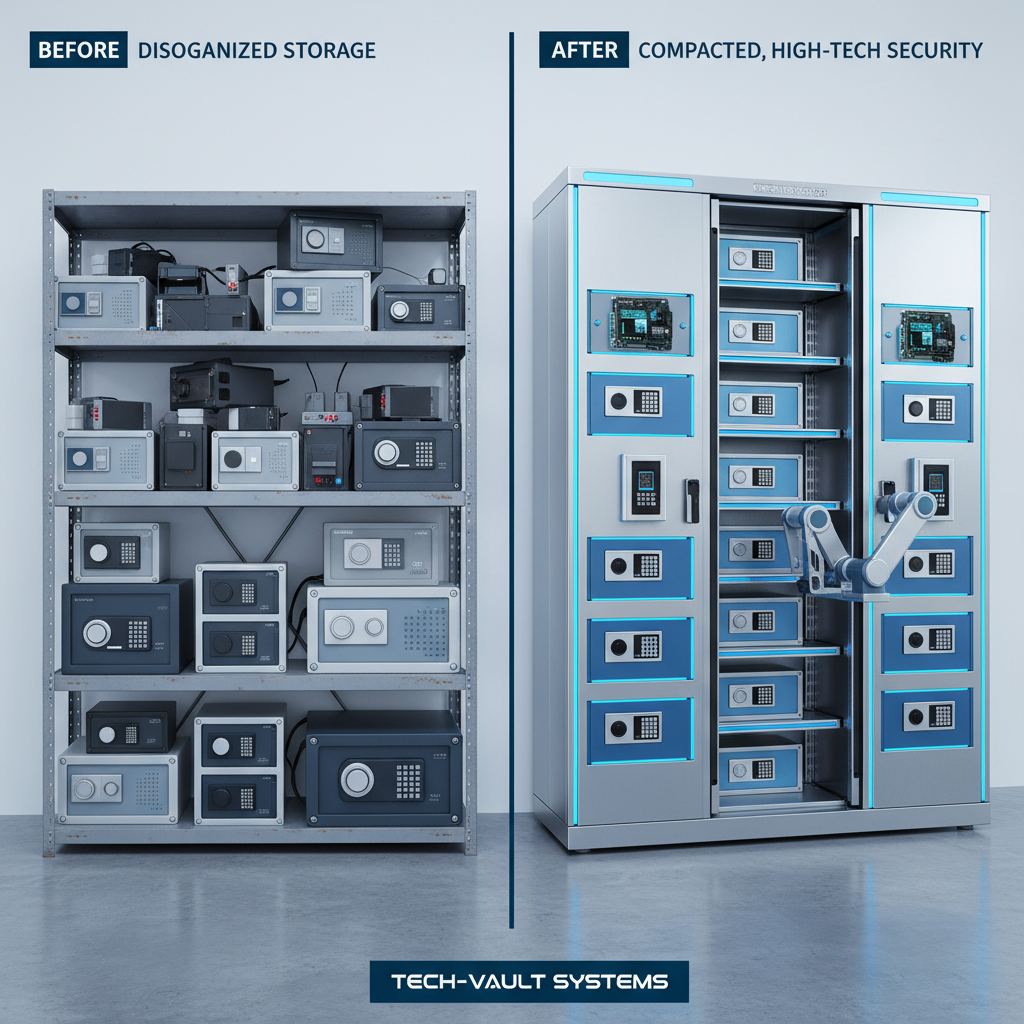
The next frontier for Wholesale compactus shelving is the integration of IoT (Internet of Things) and AI-driven retrieval. We are seeing the emergence of "smart shelving" where RFID tags on files communicate with the shelving system. When a specific document is requested, the system automatically opens the correct aisle and highlights the exact shelf location using LED indicators.
Automation is also moving toward fully robotic retrieval. In these advanced setups, the compactus system doesn't just move the aisles; it utilizes a robotic arm to extract the specific folder and deliver it to a workstation. This eliminates the need for human entry into the archive entirely, maximizing security and protecting fragile documents from human handling.
As we move toward a more digital-first world, the physical archive will become a "high-security vault" for the most critical assets. The integration of fingerprint scanners and biometric locks into wholesale compactus systems is already becoming standard for government and military applications, ensuring that only authorized personnel can access the physical history of an organization.
Comparison of Advanced Features in Wholesale Compactus Shelving Systems
| System Type |
Automation Level |
Security Integration |
Space Efficiency Score |
| Manual Mechanical |
Low |
Basic Key Lock |
7/10 |
| Electric Drive |
Medium |
Digital Code |
8/10 |
| Smart RFID System |
High |
Biometric Access |
9/10 |
| Robotic Retrieval |
Full |
Centralized AI Control |
10/10 |
| Custom Vault-Hybrid |
Medium-High |
Multi-layer Encryption |
9/10 |
| Modular Expansion Unit |
Low-Medium |
Standardized Locking |
8/10 |
FAQS
The primary difference lies in the layout of the aisles. Static shelving requires a fixed aisle between every single row of shelves, whereas Wholesale compactus shelving uses mobile carriages that slide on tracks. This allows all shelves to be pushed together, leaving only one "floating" aisle that can be opened wherever access is needed, effectively doubling the storage capacity of a room.
While widely used for archives, these systems are engineered for various loads. Depending on the gauge of the steel and the type of drive mechanism, they can be customized to hold heavy industrial parts, specialized medical equipment, or high-density tool collections. It is important to specify the "load per shelf" requirement during the wholesale procurement process to ensure structural safety.
Installation time varies based on the complexity of the drive system. A manual system can be installed in a few days, whereas an electronic system requires electrical wiring and calibration, which may take a week or more. Because these systems rely on perfectly level floors for smooth operation, floor preparation is often the most time-consuming part of the process.
Yes, especially for businesses in high-rent urban areas. By maximizing the utility of their existing space, small businesses can avoid moving to a larger, more expensive office. The initial investment in Wholesale compactus shelving is often offset within a few years through saved real estate costs and improved operational efficiency.
Maintenance is relatively minimal. Regular inspections of the tracks to ensure they are free of debris and periodic lubrication of the drive wheels and gears are the main requirements. For electronic systems, occasional software updates and electrical safety checks are recommended to ensure the motors and safety sensors are functioning correctly.
The choice depends on three factors: budget, frequency of use, and weight of the load. Manual systems are ideal for low-budget projects with lighter loads. Electronic systems are best for high-traffic archives with extremely heavy materials, where the physical effort of moving a carriage would be too great or too slow for a productive workflow.
Conclusion
In summary, Wholesale compactus shelving is far more than a simple storage upgrade; it is a strategic infrastructure investment that addresses the critical challenge of space scarcity. By combining precision engineering with a high-density layout, these systems enable organizations to preserve their physical history and assets without compromising their operational footprint. From the mechanical reliability of the steel chassis to the future potential of AI-driven retrieval, the value proposition of compactus shelving remains rooted in efficiency, security, and long-term sustainability.
Looking ahead, the integration of smart technology will continue to blur the line between physical archives and digital databases. We encourage procurement managers and facility designers to view high-density storage not as a cost, but as a means of optimizing human capital and reducing overhead. To explore the most durable and efficient storage solutions tailored to your specific industry needs, we invite you to visit our website: www.zhengyisafes.com.