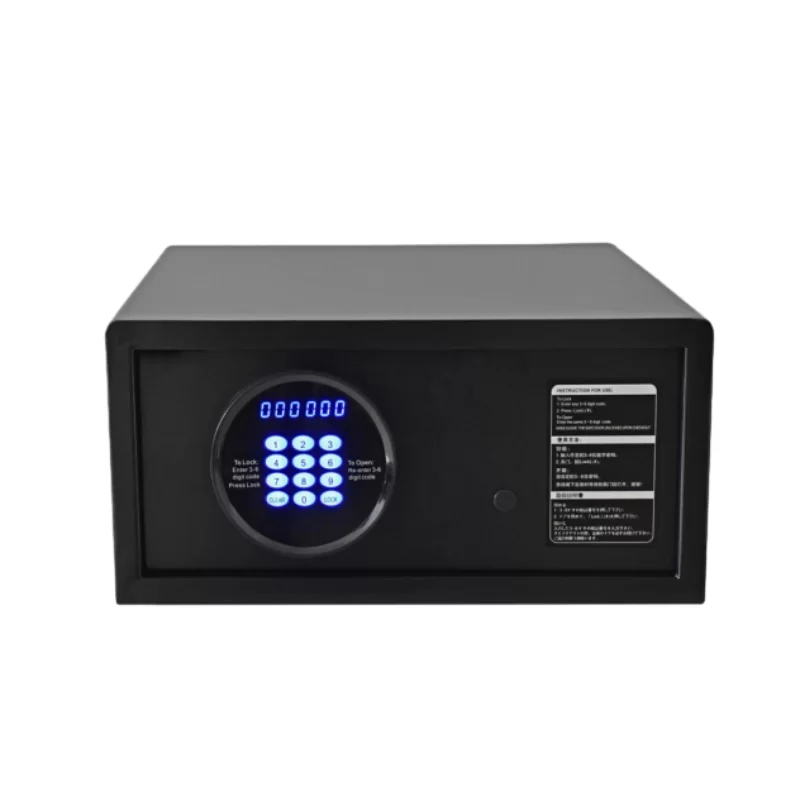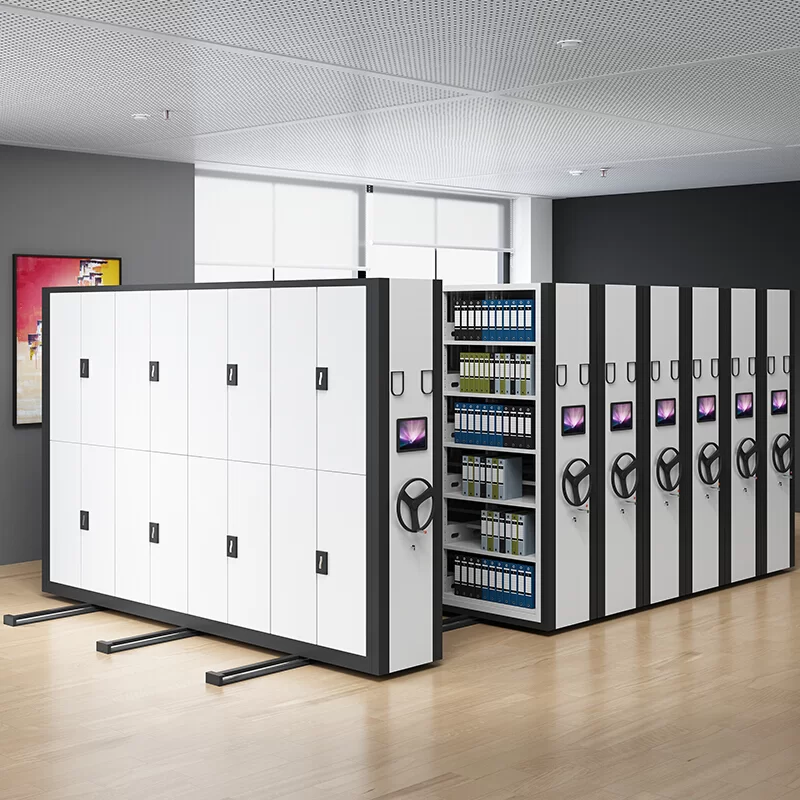

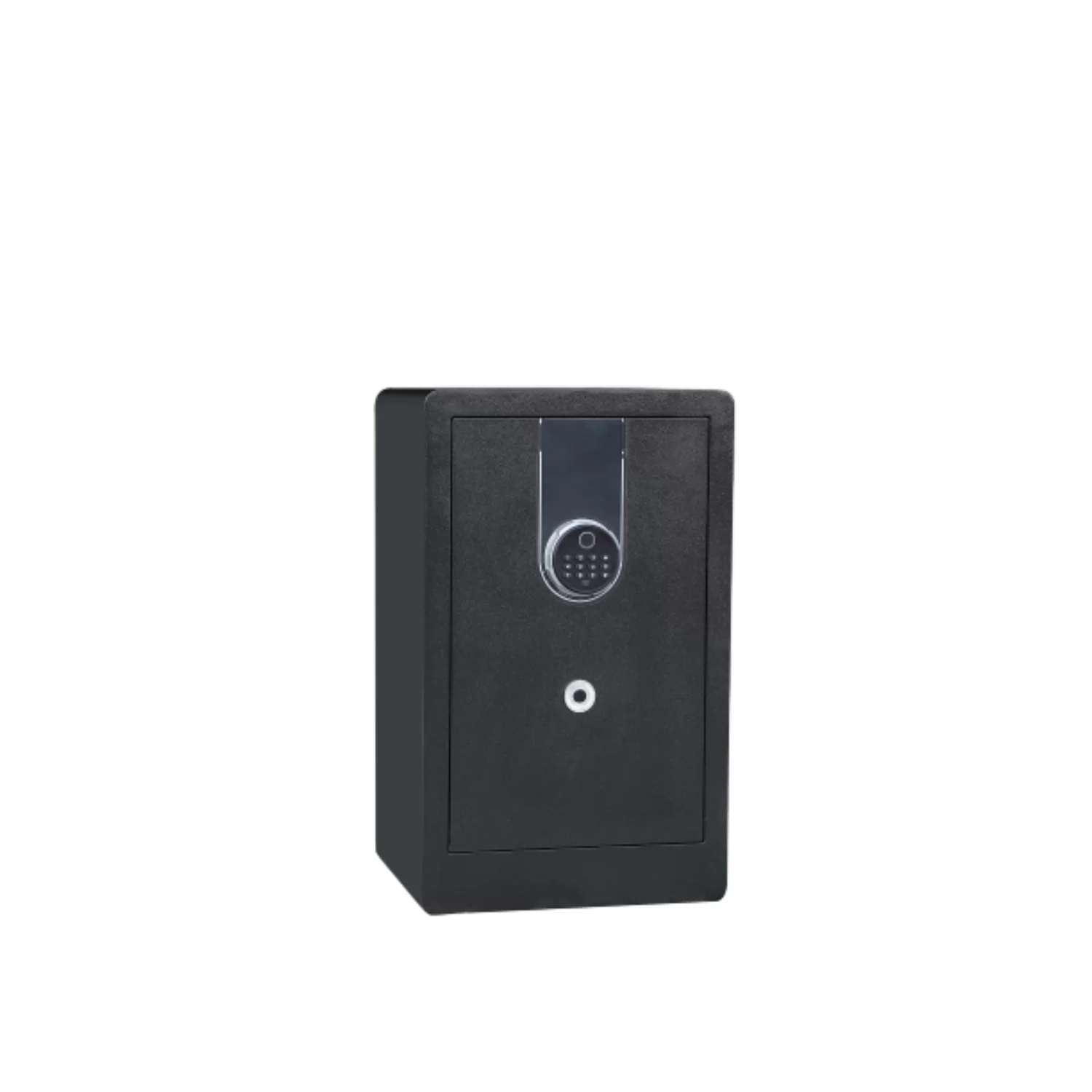
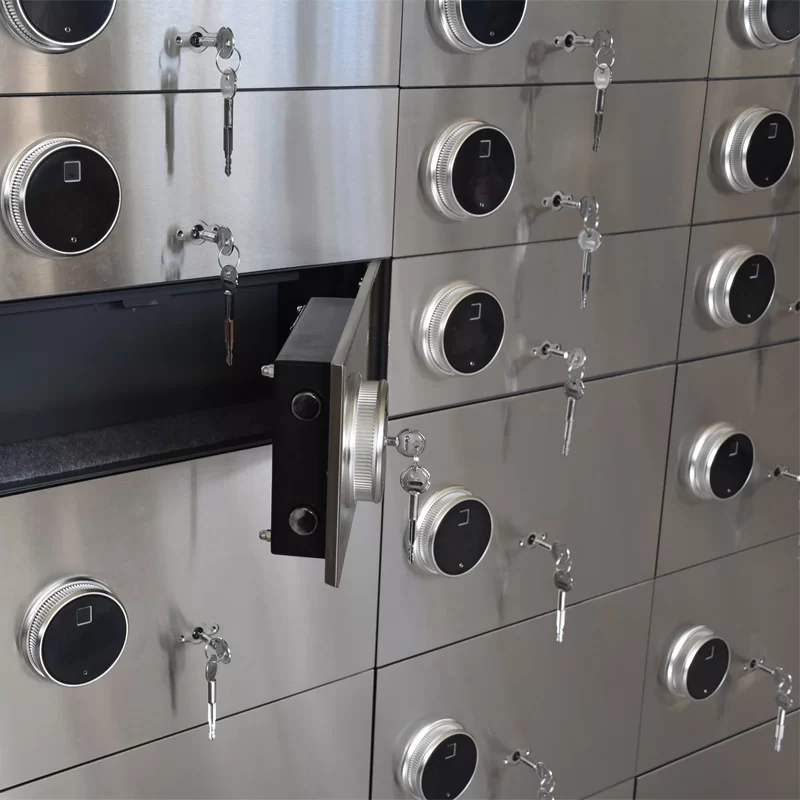
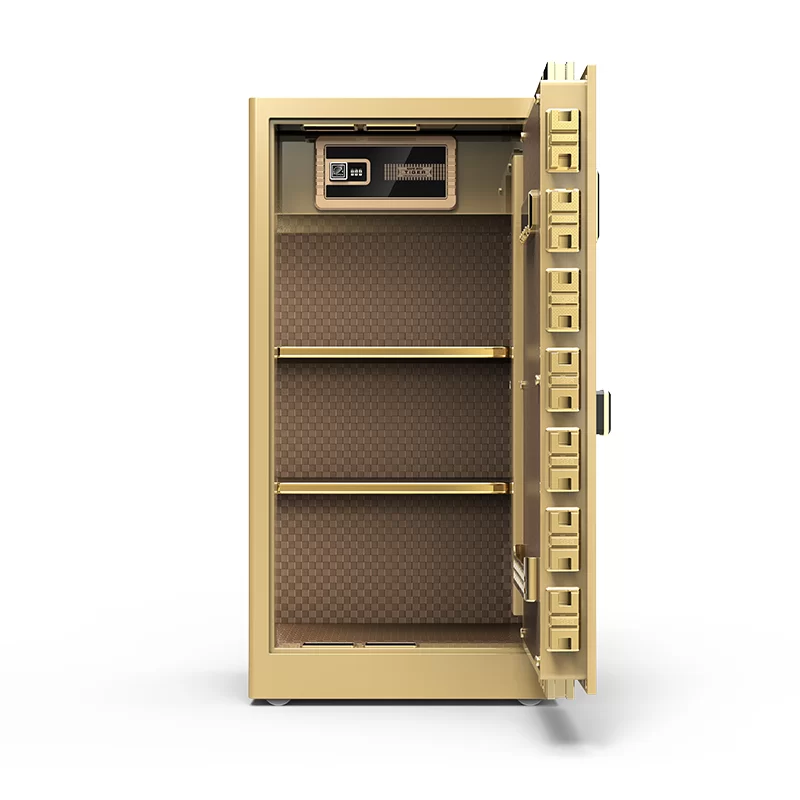
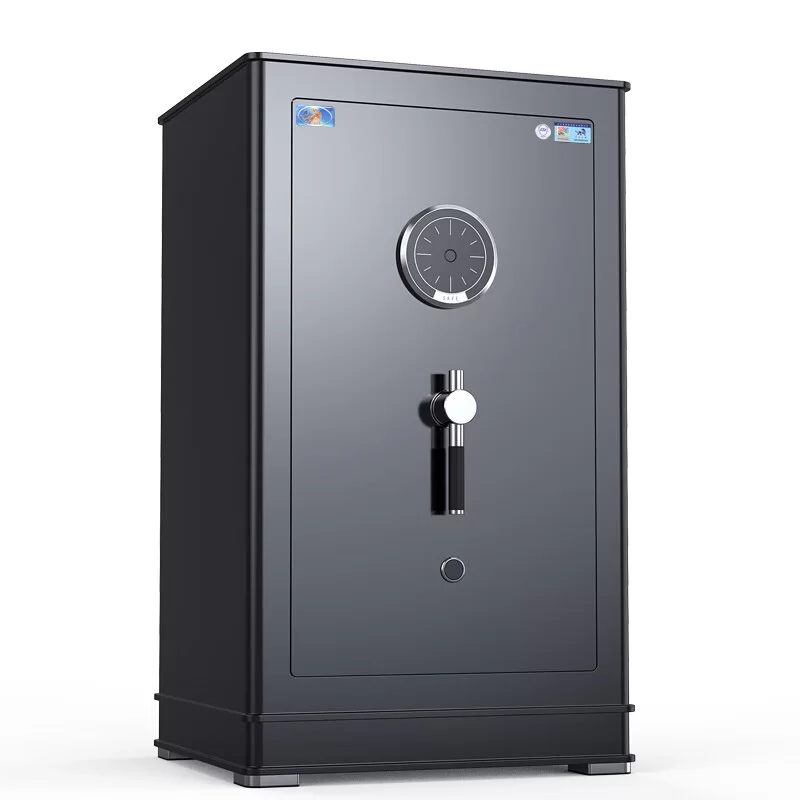
Premium Security Solutions with Digital Safe Box for Japan Market

Premium Security Solutions with Digital Safe Box for Japan Market

Advanced structural metal engineering providing unparalleled protection for residential and commercial assets across Japan.

Premium Security Solutions with Digital Safe Box for Japan Market

Integrating high-precision Japanese manufacturing standards with state-of-the-art locking mechanisms to ensure the safety of your most valuable assets.

The Current State of Metal Security Equipment in Japan

Analyzing the intersection of high seismic activity and urban density in the Japanese security market.

Japan's unique geography, characterized by frequent seismic activity, necessitates structural metal products that offer not only security but exceptional stability. The demand for a house safe box in Japanese urban centers like Tokyo and Osaka is driven by limited living space, requiring compact yet robust designs that can be bolted to reinforced concrete floors.

Climate factors, including high humidity during the monsoon season, have pushed the industry toward advanced powder coating and anti-corrosion treatments. Modern consumers increasingly prefer a digital safe box to eliminate the risk of lost physical keys, reflecting Japan's broader trend toward digitalization and smart home integration.

Furthermore, the cultural emphasis on disaster preparedness makes the fire safe lock box an essential household item. The Japanese market demands certifications that exceed standard fire ratings to protect critical identity documents and family heirlooms from urban fire risks.
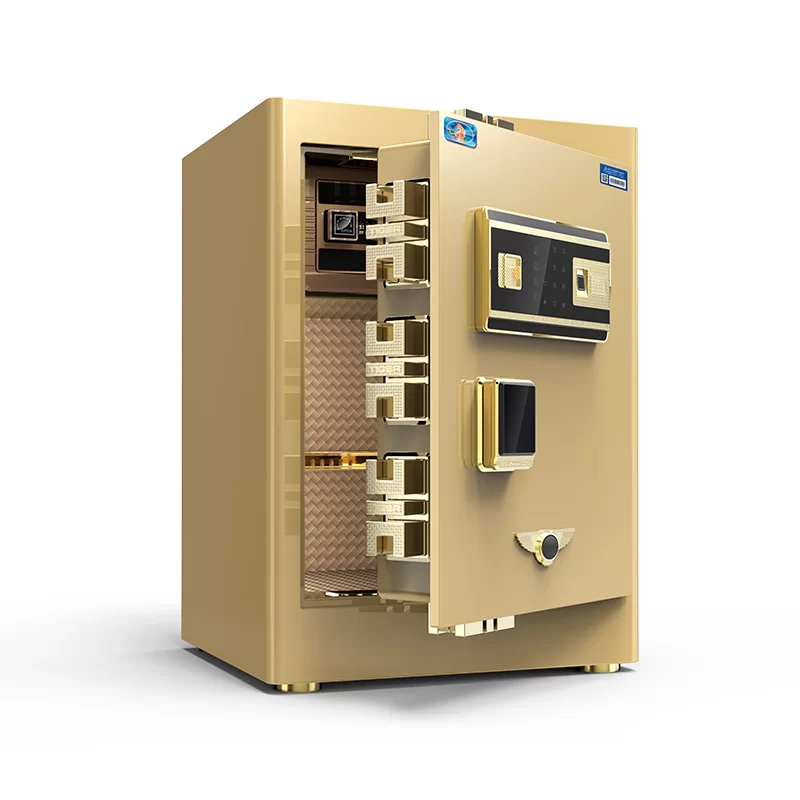
Evolution and Trajectory of Metal Safe Manufacturing

From heavy iron chests to intelligent, fire-resistant structural metal vaults.

Market Development History

In the mid-20th century, the Japanese market relied on heavy-gauge steel cabinets with mechanical lever locks. These early iterations focused purely on weight and thickness to deter theft, but lacked specialized protection against high-temperature incineration.

By the 1990s, the introduction of composite insulation materials allowed for the creation of the fire document box, which combined thermal barriers with structural steel. This era marked the transition from simple "storage" to "preservation" of critical data.

Entering the 2010s, the shift toward electronics led to the ubiquity of electronic keypads. The emergence of the mini safe box catered to the shrinking apartment sizes in Japanese cities, blending portability with high-grade structural metal integrity.

Future Development Trends

Biometric Integration

Moving beyond simple codes, the next 3 years will see widespread adoption of capacitive fingerprint scanning and facial recognition integrated into structural metal frames.

IoT Connectivity

Real-time alerts sent to smartphones when a safe is accessed, utilizing low-power WAN technologies to ensure security connectivity even during power outages.

Eco-Friendly Materiality

Transitioning toward recycled high-strength alloys and VOC-free coatings to align with Japan's strict environmental regulations and carbon neutrality goals.

Industry Trends and Future Outlook

Predicting the next wave of security innovation based on search trends and technical evolution.

Enhanced Thermal Resistance
Development of aerospace-grade insulation for the fire safe lock box to withstand extreme temperatures.
Ultra-Compact Engineering
Optimizing internal volume for the mini safe box without sacrificing structural wall thickness.
Smart Access Control
Implementing encrypted digital handshakes for the next generation of secure access systems.
Modular Security Layouts
Customizable interior compartments for varying document sizes and electronic device storage.

Industry Outlook

Google search trends in Asia indicate a rising interest in "home security integration," suggesting that the traditional safe is evolving into a connected device. We expect a convergence where structural metal strength is paired with AI-driven monitoring systems.

For the Japan market, the focus will shift toward "invisible security"—products that blend seamlessly into modern minimalist interiors while maintaining military-grade protection levels.

Localized Application Scenarios in Japan

Practical implementations of our metal security solutions across various Japanese environments.

01. Urban Apartment Document Protection

Utilizing a fire document box in Tokyo high-rises to safeguard property deeds and passports against accidental electrical fires in dense residential areas.

02. Luxury Residential Asset Management

Installing high-capacity vault systems as a house safe box in Kyoto villas to protect traditional art and family heirlooms from theft and environmental decay.

03. Corporate Office Small-Value Storage

Deploying the mini safe box within corporate cubicles in Nagoya's industrial hubs for the secure storage of company seals and employee keys.

04. Digital Asset Security for Freelancers

Implementing a digital safe box for creative professionals in Shibuya to store hardware wallets and external backup drives.

05. Disaster-Ready Home Kits

Integrating a fire safe lock box into emergency preparedness kits, ensuring that critical insurance papers remain legible after a fire event.

Brand Story

Global Development History of Hebei ZhengYi Intelligent Technology Co., Ltd.

Industrial Foundations

Starting with a focus on structural metal fabrication, we mastered the art of high-precision steel bending and welding to create the ultimate protective shells.

Technical Innovation

We integrated intelligent locking systems, transitioning from purely mechanical structures to sophisticated electronic security interfaces.

Global Certification

Achieving international standards for fire resistance and impact strength, allowing our products to enter the most demanding markets like Japan.

Market Diversification

Expanding our portfolio from industrial vaults to consumer-centric home security, focusing on the synergy between size and strength.

Future Vision

Dedicated to solving the pain point of "compromised security for convenience" through AI-integrated metal security engineering.

Complete Security Portfolio for Japan

A comprehensive range of structural metal safes engineered for the Japanese lifestyle.

Frequently Asked Questions for Japan Customers

Expert answers regarding the installation and maintenance of metal security equipment.

How does a fire safe lock box protect against extreme heat in urban fires?

Our safes use a proprietary composite fill between double-walled structural steel, which creates a thermal barrier that prevents the internal temperature from reaching the ignition point of paper.

Is a digital safe box suitable for high-humidity coastal regions of Japan?

Yes, our digital units feature corrosion-resistant powder coatings and sealed electronic components to prevent moisture ingress and oxidation of the metal frame.

Can I install a house safe box in a wooden traditional Japanese home?

Absolutely. We provide specialized mounting kits that distribute the weight of the safe across structural beams to prevent floor sagging while ensuring the safe cannot be easily removed.

What is the best fire document box for storing sensitive land titles?

We recommend our high-grade fire-rated series which are tested for 2+ hours of heat resistance, specifically designed for the archival of legal documents.

Does the mini safe box provide enough security for jewelry?

Yes, despite its size, it utilizes the same high-tensile structural metal as our larger vaults and includes anti-drill plates around the locking mechanism.

How do I reset the code on my digital safe box if the batteries die?

Every digital unit comes with a high-security override key and an external emergency power port to ensure you never lose access to your valuables.

Secure Your Future Today

Our engineering experts are ready to provide tailored security consultations for clients across Japan.

Contact Us Now

If you are interested in our products, you can choose to leave your information here, and we will be in touch with you shortly.