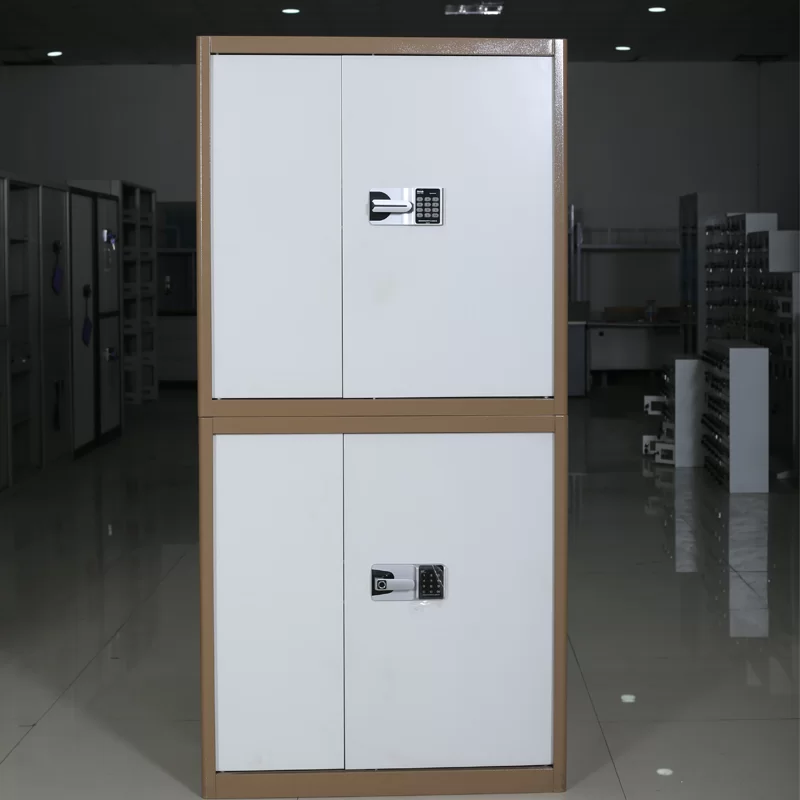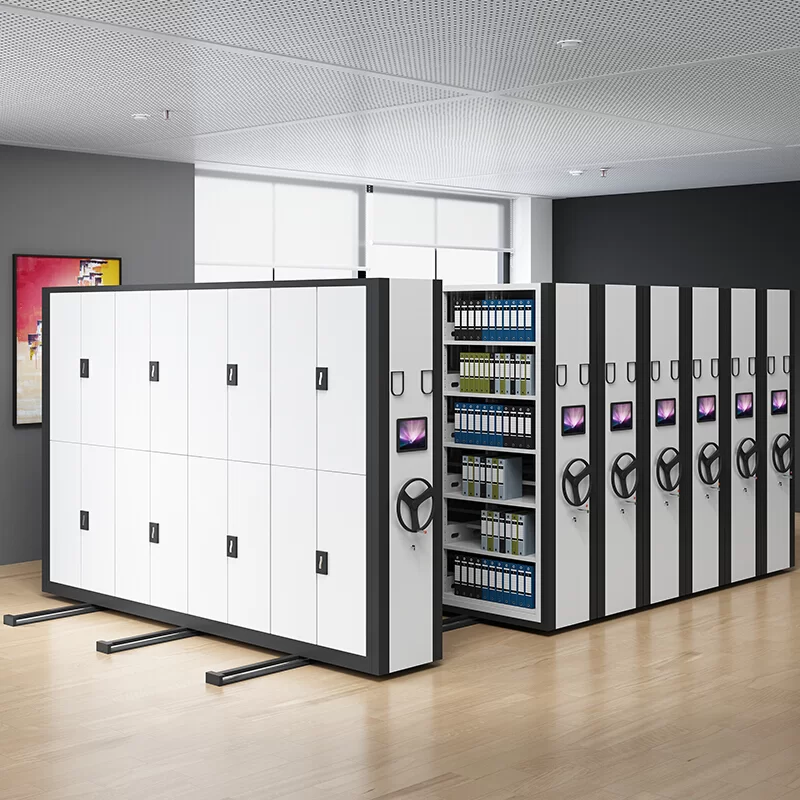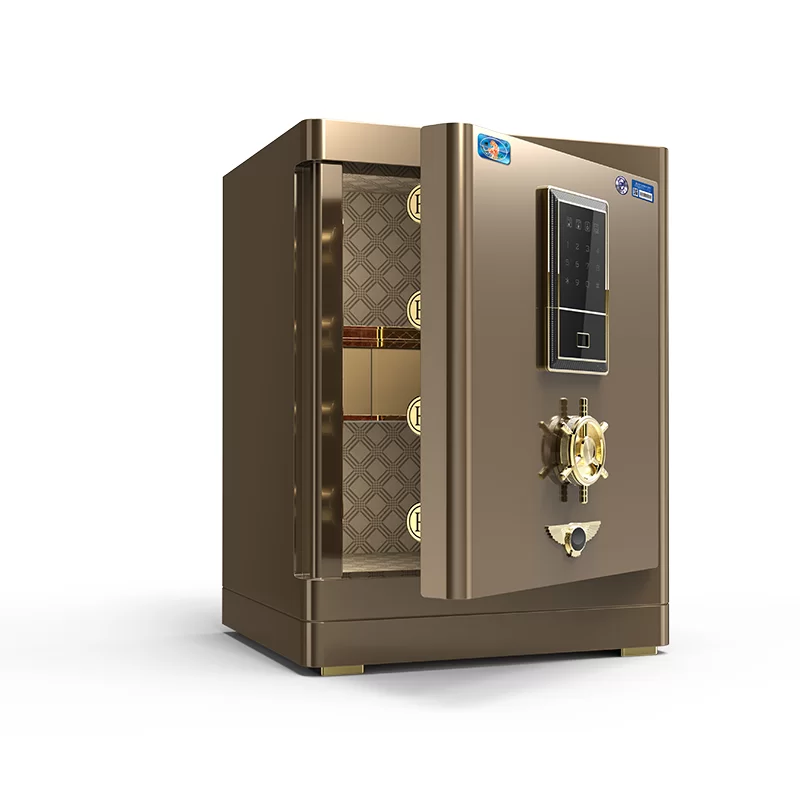

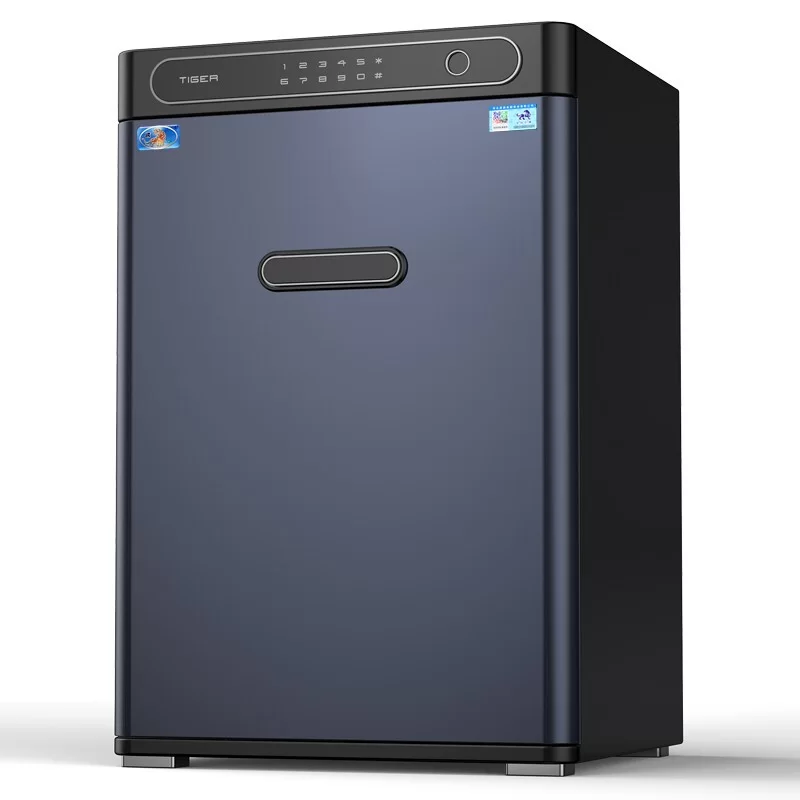
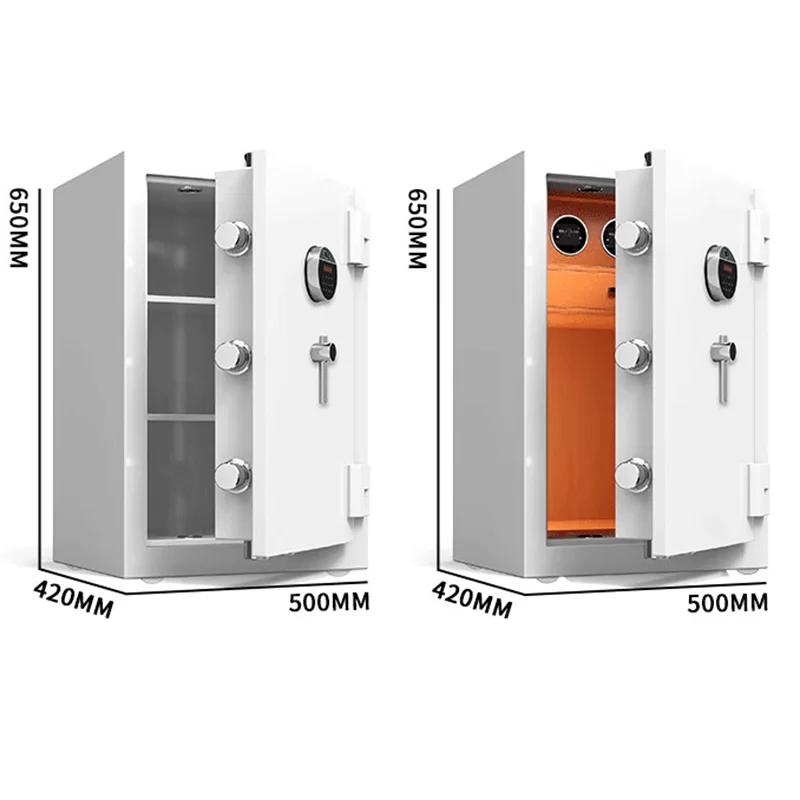
In South Sudan, the demand for high-durability metal storage is driven by the need to protect legal documents and liquid assets amidst political transition. The prevalence of temporary housing and office structures increases the vulnerability of assets, making the house safe box a critical requirement for both residential and commercial security.
Environmental factors, including extreme heat and seasonal humidity, place significant stress on metal components. Standard safes often succumb to corrosion; however, professional structural metal fabrication using treated steel is essential for long-term viability in Juba and other regional hubs.
Furthermore, the shift toward digitalization in South Sudanese banking and government offices has created a surge in demand for a mini safe box capable of storing biometric keys and encrypted drives, blending traditional physical security with modern electronic access.